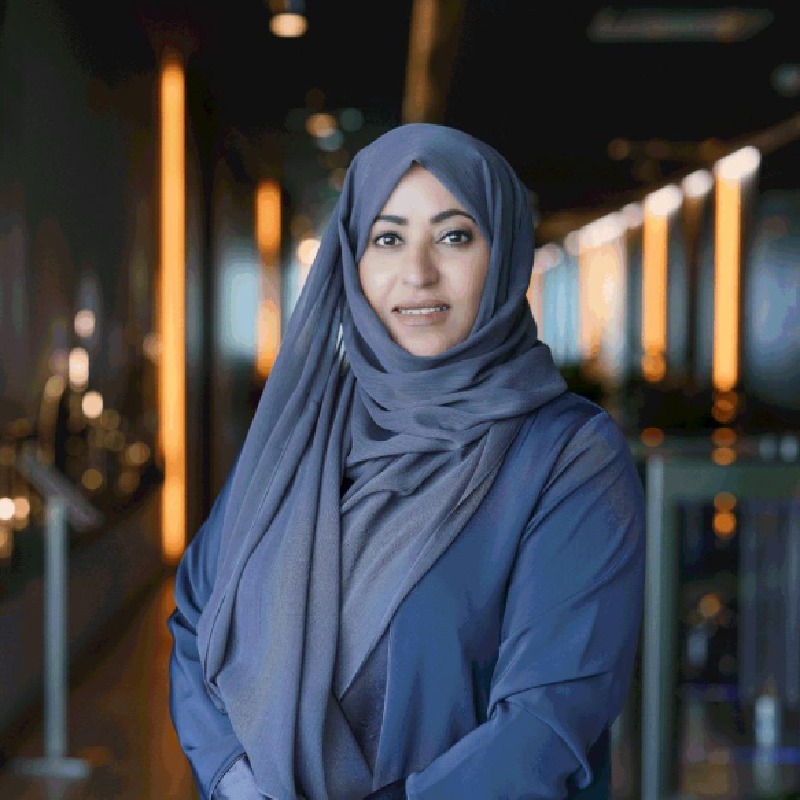
Dr. Samia Saeed Al Ameri
A women’s council can bring colleagues together for a memorable event. It can celebrate achievement, create visibility and offer a welcome sense of community. But its real value is tested after the event ends. Did a concern raised by an employee reach someone who could act on it? Did a talented woman gain access to an opportunity she might otherwise have missed? Did a policy, practice or conversation change?
These are the questions that turn a women’s council from a calendar of activities into a force for progress.
Through my work in internal communication and as Vice Chairperson and co-founder of the DCT Abu Dhabi Women’s Council, I have seen how much women have to contribute when they have a trusted space to speak, connect and shape solutions. I have also learned that good intentions alone are insufficient. Meaningful change requires listening carefully, choosing priorities, building partnerships and following through.
Begin with what women actually experience
A council should never assume it already knows what women need. Experiences differ across roles, ages, career stages and workplaces. A new employee may want a mentor. A working mother may need clearer information about family support. A woman ready for leadership may seek access to a committee, a stretch assignment, or a decision-making room.
Listening must therefore be regular and varied. Surveys can show patterns, while small conversations reveal the stories behind the numbers. Open forums, confidential channels and informal discussions each have a place. The goal is to make it easy to speak honestly, including for women who are less likely to attend a public event or raise a concern in front of managers.
Listening also creates a responsibility. If employees share their experiences and hear nothing back, trust can weaken. A council should acknowledge what it has heard, explain which issues it can advance and report on what happens next. Even when a request cannot be met immediately, a clear explanation is more respectful than silence.
Turn themes into a focused agenda
Women’s councils often receive more ideas than they can deliver. Trying to address everything at once can spread energy too thinly. The most useful agenda identifies a small number of priorities where the council can help create a practical result.
For example, if women describe limited access to development, an additional inspirational talk may be welcome, but it will not solve the underlying issue by itself. The council could work with learning and development colleagues to make existing training easier to find, encourage participation, connect aspiring leaders with mentors and examine who is missing from opportunities. If women raise concerns about balancing work and family responsibilities, the council can bring the right teams together to clarify available support and explore improvements.
The difference is in moving from a theme to a specific action: what needs to change, who can make it happen and how will we know whether it helped? A council does not need to own every solution. It does need to keep the issue visible and help the people who can act work together.
Give women a voice where decisions are made
A listening platform matters most when it has a path to influence. Councils need a clear relationship with senior leadership, human resources and other teams responsible for policy and employee experience. That relationship should allow the council to bring forward evidence, present options and receive a response, rather than simply pass on comments.
This is particularly important when an issue concerns systems rather than individual confidence. A woman can be encouraged to apply for leadership, but encouragement has limited value if she cannot see how opportunities are advertised or how candidates are selected. A council can ask whether women are represented on committees, whether development opportunities reach different groups and whether processes are understood by the people they affect.
A constructive council does not claim to speak for every woman or promise that every recommendation will be adopted. It brings informed perspectives into the discussion and helps leaders understand the practical consequences of their choices. Senior sponsorship gives that work attention, while honest dialogue gives it credibility.
Build partnerships across the organisation
No council can create lasting change in isolation. Internal communication can help employees understand and use opportunities. Learning and development can strengthen career pathways. HR can examine policies and employee feedback. Operational leaders can make participation possible in busy teams. External partners may offer expertise, networks or resources that the organisation does not have on its own.
Partnership is also how an event becomes more than a moment. At our Women’s Council Majlis, for instance, the aim was to bring women closer to practical opportunities and the teams behind them: learning guidance, professional profile support, cultural initiatives and ways to share suggestions. The value of such a gathering lies not only in the conversations on the day, but in the connections and actions that continue afterward.
This approach can make a council more effective without turning it into a second HR department. Its role is to connect experiences, people and decisions. When a partner owns the next step, the council can help ensure that the employee perspective remains part of the work.
Make inclusion visible in everyday work
An inclusive workplace is shaped by ordinary experiences: who receives information, whose contribution is recognised, who feels comfortable asking for support and who is invited to contribute to a project. Councils can influence these daily practices as well as formal policies.
Communication is especially powerful here. A message about an opportunity may technically reach everyone, yet still fail if it is unclear, hard to find or shared too late for some employees to participate. Councils can help teams ask whether their language is accessible, whether different work locations and schedules have been considered, and whether employees know where to go with questions.
Recognition matters, too. Celebrating women should mean more than spotlighting a few exceptional stories. It should also show the breadth of work women do, encourage peer learning and make different routes to success visible. When colleagues can recognise themselves in those stories, the message becomes more credible.
Measure what changed, not just what happened
Attendance and satisfaction are useful indicators, but they are only the beginning. A well-attended event may create energy without changing access to opportunity. A smaller initiative may have a lasting effect if it removes a barrier or helps a group of women take a meaningful next step.
Councils can ask practical questions: Did employees find the information they needed? Did more women take up a learning opportunity? Were suggestions reviewed by the teams able to act? Has an identified barrier been reduced? What feedback are we receiving from women who did not participate? These questions need not produce a perfect dashboard. They do require the council to look beyond activity counts and learn from the results.
It is equally important to be honest about limits. Change may take time, and a council cannot fairly claim every positive outcome as its own. Reporting should distinguish between what the council delivered, what it influenced and what still needs attention. That honesty strengthens its voice.
Keep the door open after the celebration
There is a place for celebrations. Emirati Women’s Day and other occasions give us an opportunity to honour achievement, share stories and bring people together. The challenge is to use that attention as a starting point. What question did the event raise? Which relationship did it create? What can be carried into the months that follow?
A meaningful women’s council is built through that steady work between visible occasions. It listens to women with different experiences, brings their concerns into the right conversations, helps partners act and returns to employees with an account of progress. It creates space for celebration while staying close to the everyday conditions that shape women’s working lives.
The strongest councils do not measure success only by how many people attend. They ask whether more women can be heard, participate, grow and influence the workplace around them. When the answer begins to change, the council has done more than host a programme. It has helped the organisation become a place where opportunity is more real for everyone.
Stay Connected with Dr. Samia
LinkedIn: https://www.linkedin.com/in/dr-samia-s-alameri-34595816

Read more articles: https://executive-women.global/loreal-paris-celebrates-six-lebanese-changemakers-in-fourth-women-of-worth/
https://executive-women.global/national-dialogue-on-obesity-from-awareness-to-action-beirut/