
What does it truly mean to be human?
Many people believe being human simply means existing, breathing, working, and surviving. Yet humanity goes far beyond biology. It appears in every choice you make, every word you speak, and every act of compassion you offer. Although the world often rewards competition, status, and power, your greatest strength may come from something much simpler: your ability to care.
Being human does not mean becoming perfect. Instead, it means accepting your flaws while choosing kindness over cruelty, honesty over manipulation, and empathy over indifference. Every decision shapes your character, and over time, your character shapes your life.
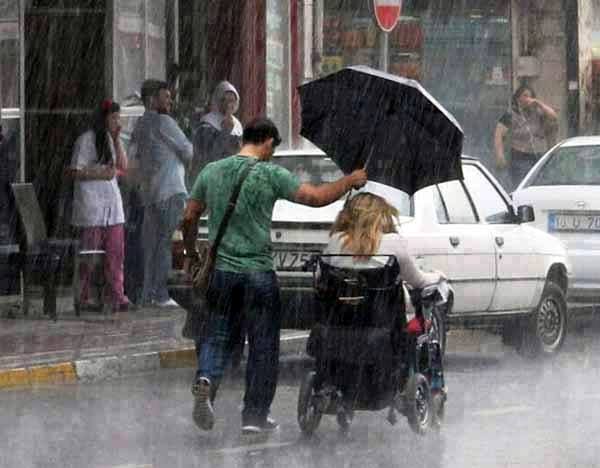
Humanity Begins with Connection
Humans naturally seek connection. From the moment we are born, we depend on others for safety, love, and belonging. As we grow, those needs remain.
However, modern life often distracts us. Social media, endless responsibilities, and constant comparison can slowly disconnect us from ourselves and from the people around us. Consequently, many individuals feel lonely even while surrounded by others.
Real humanity begins when you slow down long enough to truly see another person. Listening without interrupting, helping without expecting praise, and showing compassion during someone’s difficult moments strengthen relationships in ways money never can.
As a result, both people benefit. The one receiving kindness feels supported, while the one giving kindness experiences a deeper sense of purpose.
Your Brain Changes When You Choose Kindness
Science continues to show that kindness transforms the brain.
Whenever you help someone, comfort a friend, or express gratitude, your brain releases chemicals such as dopamine, serotonin, and oxytocin. These natural substances improve mood, reduce stress, and increase feelings of trust and connection.
Moreover, regular acts of compassion lower anxiety and reduce emotional tension. Instead of living in constant survival mode, your nervous system begins to feel safer.
Over time, kind habits become healthy mental patterns. Therefore, empathy does not weaken you. Instead, it strengthens emotional resilience and improves psychological well-being.
What Happens to Your Soul?
Although psychology explains the brain, the soul experiences something deeper.
Many spiritual traditions teach that every good action leaves a lasting mark on the heart. Forgiveness softens bitterness. Gratitude replaces emptiness. Compassion removes emotional walls that fear has built over many years.
As you become more human, inner peace gradually replaces constant conflict.
This transformation does not happen overnight. Nevertheless, every honest conversation, every act of generosity, and every moment of patience nourishes something inside you that success alone cannot satisfy.
Eventually, you stop measuring your worth by achievements and begin measuring it by the lives you positively influence.
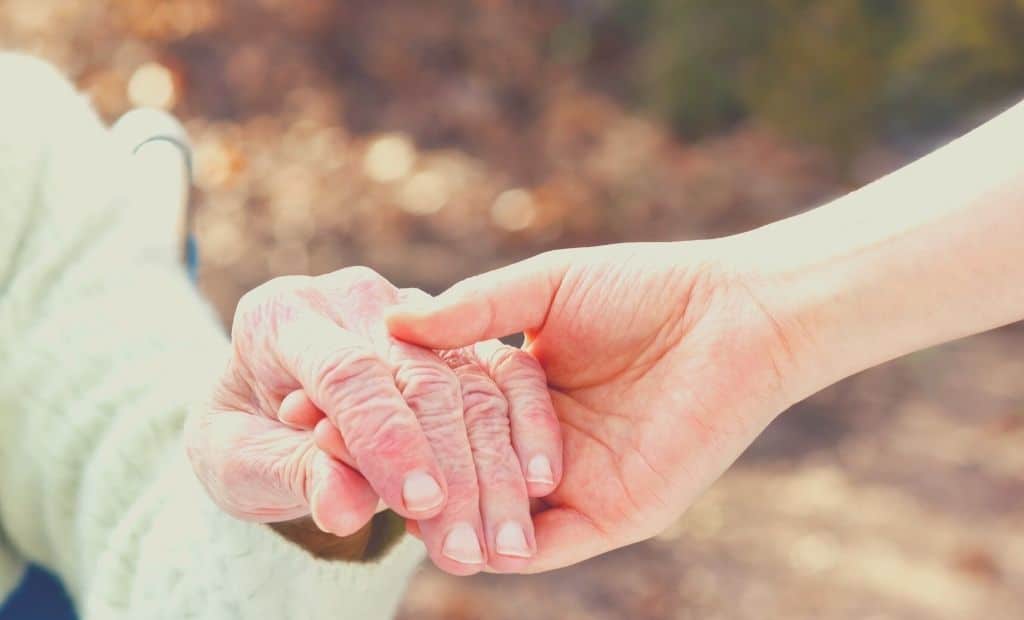
Being Nice Is Not the Same as Being Good
Many people confuse kindness with people-pleasing.
A nice person often avoids conflict because they fear rejection. They may constantly say yes, even when they feel exhausted. Consequently, resentment quietly grows beneath the surface.
A good person behaves differently.
Good people show compassion while maintaining healthy boundaries. They tell the truth even when honesty feels uncomfortable. Likewise, they protect themselves without intentionally hurting others.
True goodness requires courage.
Instead of seeking everyone’s approval, emotionally healthy people choose integrity. They understand that kindness without boundaries eventually becomes self-neglect.
Therefore, being human means balancing compassion with self-respect.
What Happens When Someone Chooses Evil?
Evil rarely appears all at once.
Instead, it usually begins with small decisions. One lie becomes another. One act of manipulation turns into a habit. Gradually, empathy decreases while selfishness grows stronger.
Psychologically, repeated harmful behavior changes how people think. They begin justifying actions that once felt wrong. Eventually, guilt becomes quieter because the mind adapts to repeated choices.
Meanwhile, anger, resentment, jealousy, and hatred create chronic stress. Those emotions keep the body alert for danger, even when no immediate threat exists.
As a result, emotional isolation often follows.
People may gain temporary control through fear or manipulation, yet they usually lose genuine trust. Relationships become transactional rather than meaningful.
Although power may satisfy the ego for a moment, it rarely brings lasting peace.
The Quiet Power of Goodness
Goodness may not always receive attention. Nevertheless, it leaves lasting impact.
A teacher who encourages one struggling student can change an entire future. A stranger who offers support during someone’s darkest day may restore hope. Likewise, a parent who consistently chooses patience builds emotional security that lasts for generations.
Small actions create ripple effects.
One kind conversation can inspire another. One act of forgiveness can end years of conflict. One moment of compassion may prevent someone from giving up.
Therefore, never underestimate quiet goodness simply because it lacks applause.
Humanity Requires Courage
Many people assume kindness is easy.
Actually, remaining compassionate during disappointment demands enormous strength.
Anyone can react with anger. Almost everyone can criticize. However, choosing understanding after being hurt requires emotional maturity.
Being human means admitting mistakes.
It also means apologizing sincerely, learning continuously, and growing despite failure.
Instead of pretending to know everything, humble people remain curious. Rather than seeking revenge, they pursue healing.
Consequently, emotional growth becomes possible.
A Better World Begins with One Person
People often wonder how society can become kinder.
The answer begins with individuals.
Every family changes when one member chooses empathy. Every workplace improves when one leader treats others with dignity. Every community grows stronger when ordinary people practice compassion consistently.
Although one person cannot solve every problem, one person can influence countless lives.
History repeatedly proves that positive change starts with ordinary people making extraordinary choices every day.
The Choice You Make Every Day
Being human is not about never making mistakes.
Instead, it is about choosing love when hatred seems easier, honesty when lies appear convenient, and compassion when indifference feels safer.
Some people spend their lives chasing wealth, influence, or recognition. Yet, at the end of life, very few remember the size of a paycheck or the number of followers they gained.
People remember how someone made them feel.
They remember kindness during suffering.
They remember forgiveness after failure.
They remember love when they felt unworthy.
Ultimately, being human means leaving hearts lighter than you found them. That choice strengthens your mind, nourishes your soul, builds healthier relationships, and creates a legacy that no achievement alone can replace.

Stay Connected with EWG:
Follow us on Instagram: https://www.instagram.com/executivewomen_/
Connect on LinkedIn: https://www.linkedin.com/company/executive-women/
Like us on Facebook: https://www.facebook.com/ExecutiveWomen/
Read more articles: https://executive-women.global/women-in-hospitality-leadership-breaking-the-glass-ceiling/