A Hidden Battle
What a wretched illness! Multiple sclerosis isn’t always visible, yet it occupies an enormous space in the lives of those it touches. Invisible at first glance, it can easily escape the notice of family and friends. A person can smile, chat, work, and appear perfectly fine. However, inside, the body fights a different battle, silently. This plunges us into the heart of an invisible struggle, where the greatest challenge sometimes lies in making others acknowledge one’s suffering.
The Weight of Unpredictability
What characterizes this disease, above all, is its unpredictability. Nothing remains completely stable, and nothing stays truly certain. One day, everything seems normal. The person can move about, think clearly, and handle daily tasks without any apparent difficulty. Then, without warning, everything changes. An intense fatigue settles in, slowing down every single movement. Climbing stairs becomes exhausting, holding an object demands unusual effort, and concentration fragments as if the mind itself has grown heavier.
The Invisible Exhaustion
This fatigue ranks among the most difficult symptoms to explain and understand. It bears no resemblance to ordinary tiredness from lack of sleep or a busy day. Instead, it runs deep, persists relentlessly, sometimes overwhelms completely, and can strike without any obvious reason. Consequently, it often forces people to interrupt activities, cancel appointments, or rest for long periods after seemingly minor efforts.
Sudden Flare-Ups
Moreover, this fatigue sometimes comes with “flare-ups”, periods when symptoms suddenly intensify. These episodes can last several days or even weeks, and their outcome remains uncertain. This uncertainty often proves difficult to endure because it leaves the person in a state of perpetual waiting: Is this temporary? Will things improve? Or has this become a permanent change? The lack of clear answers can weigh as heavily as the symptoms themselves.
Daily Life Transformed
Beyond physical manifestations, Multiple sclerosis profoundly reshapes everyday existence. It seeps into simple gestures, projects, and even self-perception. Actions that once happened automatically now require careful planning. Walking long distances, carrying objects, writing, and staying focused can demand disproportionate amounts of energy.
The Gap Between Appearance and Reality
This disconnect between visible abilities and actual difficulties frequently creates misunderstandings with those around us. Because the disease remains invisible, some people might assume everything is fine, that the person exaggerates, or that they could simply “try harder.” Yet the inner reality tells a different story. This gap can lead to isolation, as putting words to one’s experience proves challenging, especially when nothing shows on the outside.
Learning to Adapt
Over time, however, many affected individuals learn to adapt. They develop a fine-tuned awareness of their own bodies, learn to recognize warning signals, and manage their energy like a precious resource. This involves making choices, setting priorities, and sometimes giving up certain activities to maintain balance. This process certainly isn’t easy, but it often becomes a forced journey of self-discovery.
Reorganizing Daily Life
Gradually, daily routines reorganize. People must slow down, adjust their pace, break tasks into smaller chunks, and accept that they cannot always do what they planned. This can feel frustrating, especially when the gap between desires and capabilities grows wide. Nevertheless, over time, some discover a different way of functioning, one that respects their current limitations more effectively.
The Essential Role of Loved Ones
Family and friends also play an essential role in this journey. Those close to the person must learn to cope with uncertainty and the disease’s fluctuations. They need to understand that cancellations don’t reflect a lack of will but rather a necessity. They must learn to offer support without pushing, to be present without applying pressure. Sometimes, simply accepting reality as it is becomes a valuable form of support in itself.
The Quiet Power of Resilience
There exists another dimension, quieter yet fundamental: resilience. Despite difficulties, limitations, and unexpected setbacks, many people keep moving forward. They discover inner resources they never suspected they had. They adapt, create new reference points, and redefine their way of living.
Beyond the Diagnosis
Above all, it’s essential to remember one thing: Multiple sclerosis never defines a person entirely. Behind the disease lies a complete identity. Dreams, desires, emotions, laughter, and projects, none of this disappears. The illness changes the rhythm and imposes constraints, but it never erases life itself.
Redefining What Matters
Gradually, some people even transform their perspective on what “living fully” truly means. This no longer necessarily involves doing many things, moving fast, or accomplishing everything. Instead, success might mean getting through a stable day. At other times, it means enjoying a moment without pain. For many, it means finding enough energy to do something that matters. Ultimately, each person redefines meaning in their own way, and that becomes a deeply personal battle worth fighting.
Hidden Victories
In this sometimes fragile reality, quiet victories also exist. Achievements that few people see but hold immense significance: managing a day despite fatigue, maintaining social connections, listening to one’s body at the right moment, or simply continuing despite the difficulties.
Final Reflection
In essence, Multiple sclerosis imposes a different rhythm of life. It forces people to cope with the unpredictable, accept uncertainty, and redefine priorities. It teaches self-love amid the storm, honors every invisible triumph, and reminds the world that a life’s dignity isn’t measured by the absence of struggle but by the beauty of courage displayed in continuing to exist. Because beyond the fading strengths, an intact soul remains, vibrant and shining brighter than the disease itself.
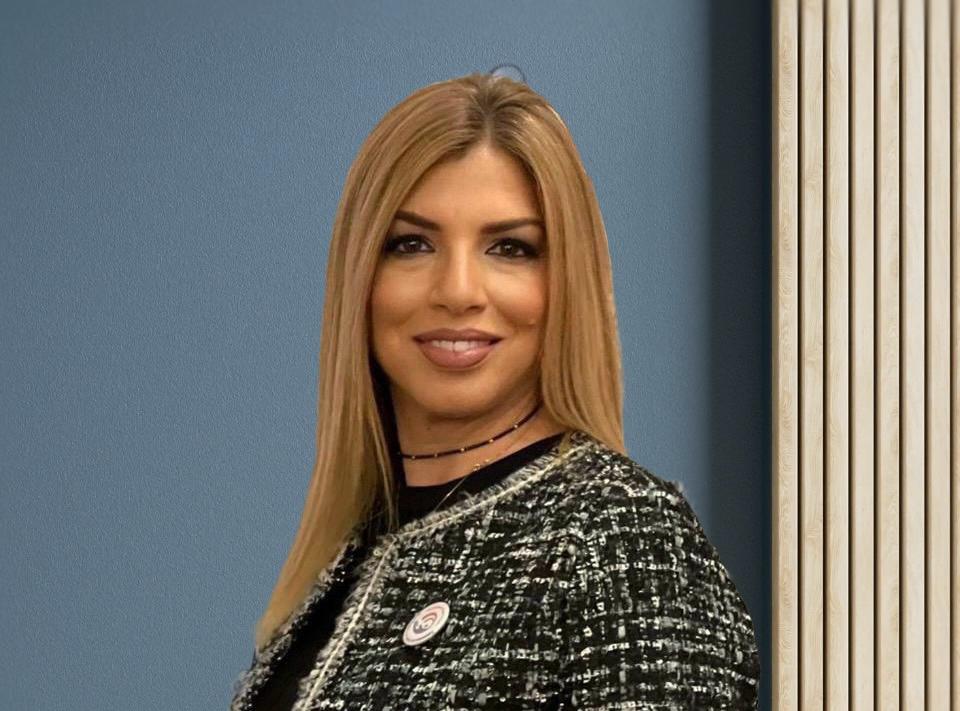
Roula Asmar Chami
Social Worker

Stay Connected with EWG:
Follow us on Instagram: https://www.instagram.com/executivewomen_/
Connect on LinkedIn: https://www.linkedin.com/company/executive-women/
Like us on Facebook: https://www.facebook.com/ExecutiveWomen/
Read more articles: https://executive-women.global/there-isnt-one-middle-east-there-are-two-by-cosette-awad/