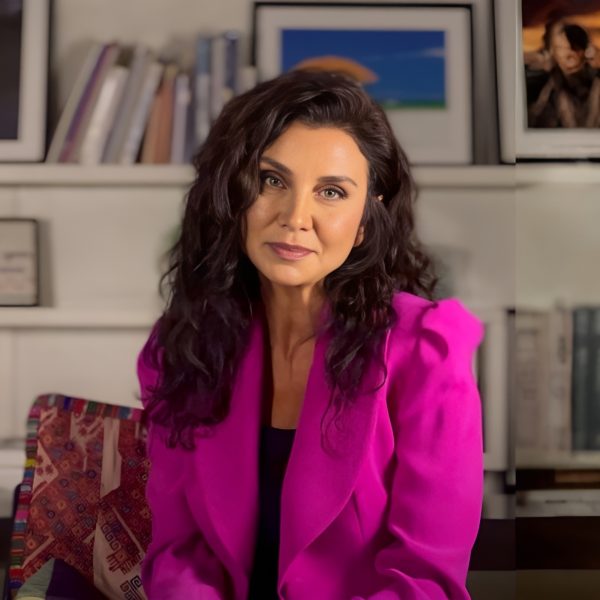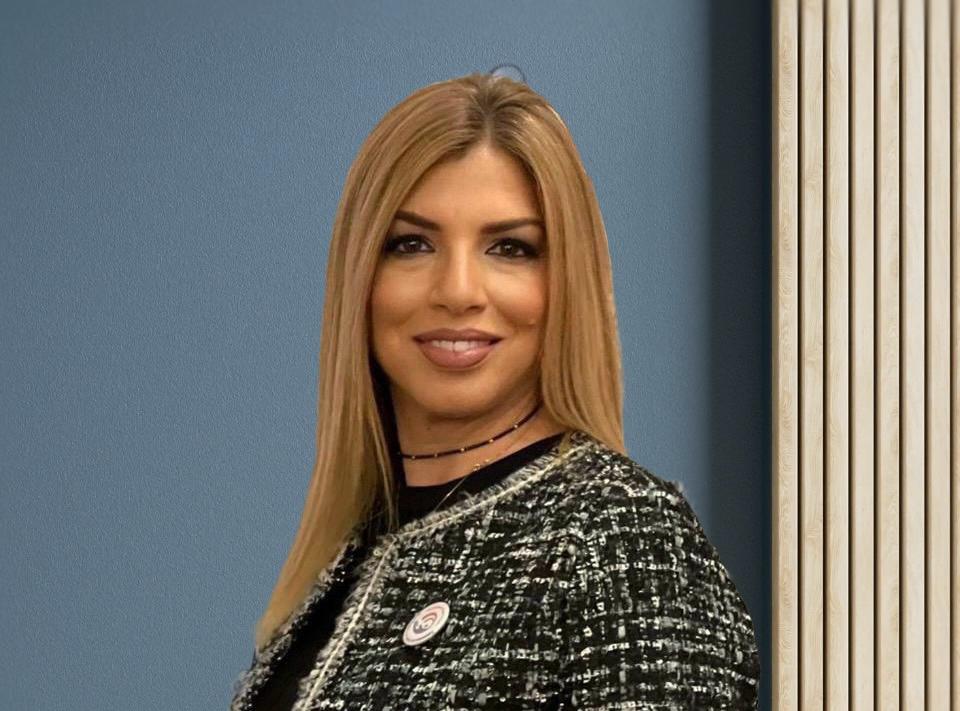
Roula Asmar Chami
The Images That Haunt Me
The images flash across the screen, cold and repetitive, but I lose myself in them. Where the camera shows only piles of concrete and scrap metal, I see only the suffering of this abandoned land. Beneath the rubble, children’s laughter, choked by dust, still lingers. The morning coffee aroma will never rise again; an entire people’s future lies buried under the weight of indifference.
Behind every broken stone, I search for a face, an echo of the life they stole from us.
The World Stays Silent
Yet, as my Lebanon crumbles, the world says nothing. This international silence cuts deeper than the ruins themselves. They watch us sink like a film with a known ending, a cold neutrality that feels like abandonment.
My people do not only die in the shadows of darkened spotlights. We suffocate under oblivion, screaming our pain toward a horizon that no longer answers.
From Generosity to Silence
How did this land, which gave so much to the world, become a cry no one wants to hear?
Resilience: A Polished Word for Exhaustion
They speak of resilience. But that’s just a polished word to mask our exhaustion. What I see through the media is not a statistic; it is the face of a nation fading into the contempt of anonymity.
Love Beneath the Ashes
Nevertheless, beneath every shroud of ash, a visceral love remains. This loyalty to our roots, even the world’s silence, cannot tear it away completely. My wounded Lebanon does not ask for pity. It demands justice. It demands the right to live in peace.
A Peace Blocked by Politics
A peace we have wanted for years. Unfortunately, it faces a political and humanitarian dead end and the cyclical return of pain.
Daily Life Under a Never-Ending War
This pain lives in the daily life of a shattered population trapped in this endless war. For those who have lost everything, tragedy is no longer a distant spectacle. It is a cold sidewalk. It is a crowded school turned into a makeshift shelter.
Families on the Road
These families flee onto the roads, carrying their lives in a cloth sack. Their eyes go dark before the skeleton of what was once their home. For these internally displaced, every night brings shadow and cold. They try to protect whatever human dignity remains, under a roof that is not theirs.
War Shatters Social Structures
Furthermore, war not only displaces individuals. It fragments the most basic social structures. More than one million people wander through shelters in precarious conditions, where access to basic needs is no longer guaranteed.
Parents Become Helpless Spectators
Stripped of privacy and their protective role, parents become helpless spectators of their own decline. The home, once the foundation of identity, dissolves into the erasure of mere survival.
The Family Fades From Within
In these centers, the family can no longer function as a protective unit. This is no longer a life; it is an existence gasping for breath. Stripped of its walls and rituals, the family cell dies from within. It becomes an empty shell, a soul without life inhabiting a collective body whose social engine has broken.
Identity Bleeds Away
Beyond physical survival, a true hemorrhage of identity takes place. In the overcrowded shelters, parents lose their role as protectors. Children lose their right to carefree innocence.
Children Who Have Aged Too Fast
You see children whose eyes have aged too fast, a generation whose games the bombs have swept away. Instead of drawing the future, their trembling hands clutch rescued toys, the last witnesses to a life that stopped one violent morning.
The Elderly: One Conflict Too Many
For the elderly, this conflict is one too many. Displacement brings brutal uprooting that weakens both body and mind. They lose their familiar landmarks. Their medical care stops. In the urgency, they often become isolated and invisible.
A Psychosocial Silence Takes Hold
This breakdown of bonds creates a psychosocial silence. People no longer speak to build, only to endure. The displaced community transforms into a gathering of shared solitudes.
Lebanese Brotherhood Always Rises
Nevertheless, in Lebanon, fraternal spirit always wins. Where social structures collapse, the Lebanese reinvent connection.
Human Warmth Restores Hope
This mutual aid is not merely material giving. It is human warmth giving hope back to those who have lost everything. The neighbor shares his bread. The stranger opens his door. The volunteer gives a name back to someone who had become just a number.
NGOs Rekindle the Flame
Moreover, in the heart of this chaos, NGOs, healthcare workers, educators, and social workers manage, as much as possible, to relight the flame where everything seemed dark. By turning every act of solidarity into a true gesture of brotherhood, they restore the survivor’s human essence. They help them regain their place and their full dignity.
A Painful Question
Despite this outpouring of help, will the Lebanese citizen, wounded and torn, recover their human dignity and social reintegration anytime soon?
Roula Asmar Chami
Social Worker
Stay Connected:
Follow us on Instagram: https://www.instagram.com/executivewomen_/
Connect on LinkedIn: https://www.linkedin.com/company/3654085/admin/dashboard/
Like us on Facebook: https://www.facebook.com/ExecutiveWomen/
Read more articles: https://executive-women.global/en/the-secret-ingredient-in-great-marketing-its-stolen/