In Lebanon, behind the veil of a fragile truce, the ordeal of the displaced has far from faded. Although the relative silence of weapons offers a precarious respite, it cannot mask a more insidious reality. For hundreds of thousands of people, insecurity has not disappeared; it has simply changed its face. Between destroyed homes and closed schools, overcrowded shelters have become breeding grounds for a new kind of distress. In the shadows of these refuges, extreme vulnerability opens the door to all forms of exploitation. Consequently, what should be a sanctuary transforms into a place of new dangers.
Overcrowded and Dangerous Shelters
This alarming situation reveals an unprecedented humanitarian crisis, with over one million people uprooted by recent conflicts. Behind the global numbers hides a brutal reality: sexual and gender-based insecurity inside shelters. In March 2026, approximately 135,000 people are crammed into 657 collective shelters, mainly public schools converted in emergencies. Although these structures provide a roof, they have become high-risk zones. According to UNHCR protection reports, the lack of basic security measures serves as the main driver of abuse:
- No privacy: The lack of partitions in shared classrooms exposes women to constant crowding.
- Failing WASH facilities: Sanitary installations (showers and toilets) are often unsegregated, impossible to lock, and located in unlit areas.
- Darkness: The absence of lighting in common areas facilitates nighttime assaults.
Insecurity Outside Shelters
Moreover, this already grim assessment overlooks a deeper tragedy: the vast majority of the displaced—about 87% llive outside official circuits. They shelter in cars, makeshift tents, or overcrowded private housing. In such precarious conditions, women and girls, who represent over half of this population, face disproportionate exposure to harassment and exploitation, far from the watch and protection of humanitarian organizations.
The Stigma of Shame
Behind these heartbreaking numbers, a largely underreported reality persists: unreported crimes. Inside these overcrowded shelters, silence does not mean an absence of violence; rather, it becomes a survival strategy dictated by fear. These abuse mechanisms prove especially dangerous because they rely on the impossibility for many victims to seek justice. Between fear of authorities and the weight of social stigma, reporting an attacker becomes a risk too high to take. Several systemic barriers explain this distrust:
- The shame trap: Judgment from outsiders and fear of dishonoring one’s family isolates the victim. The system ends up punishing her instead of helping her, forcing her into silence to survive.
- Threat of prosecution: For undocumented people (especially Syrian refugees), reporting abuse carries a risk of arrest or deportation.
- Financial barriers: The economic crisis limits access to free legal aid.
Recreating Trustworthy Refuges
Faced with this imminent danger to these shadow populations, the urgent need now extends beyond providing shelter; we must protect both women and minors. Yet how can we succeed when family breakdown leaves the most vulnerable defenseless? In this chaos, children find themselves on the front line facing trafficking and sexual abuse, trapped in the precariousness of makeshift shelters.
Therefore, humanitarian aid must urgently evolve toward active protection. Deploying safe spaces is no longer an option; it is a necessity. This strategy aims to restore the very integrity of childhood. Psychosocial support is not a luxury; it is a vital emergency: through guided play and listening, we allow children to put words to the unspeakable and defuse trauma before it takes root.
In parallel, community involvement transforms displaced people from passive victims into actors of their own safety. By training parents and volunteers to identify predatory behaviors and signs of distress, we weave a permanent vigilance net. By recreating this social fabric, once the guarantor of family security and now in tatters, we turn anonymous transit places into real ramparts against exploitation.
Beyond a Roof: The Right to Dignity
Ultimately, providing shelter cannot simply mean erecting four walls and a roof. For the one million uprooted faces in Lebanon, and especially for those women and children abandoned to the shadows of overcrowded hallways, the true refuge is a place where you no longer fear the darkness.
Securing these lives means giving names back to unaccompanied minors, locking the doors of anguish, and breaking that leaden silence that protects aggressors. Every recreated play space, every solar lamp installed, and every non-judgmental hand extended becomes a victory against chaos. Because amid the rubble and exile, human dignity remains the only bulwark we cannot afford to let collapse. Protecting these voices means preserving the future of a generation that, more than bread, thirsts for safety and justice.
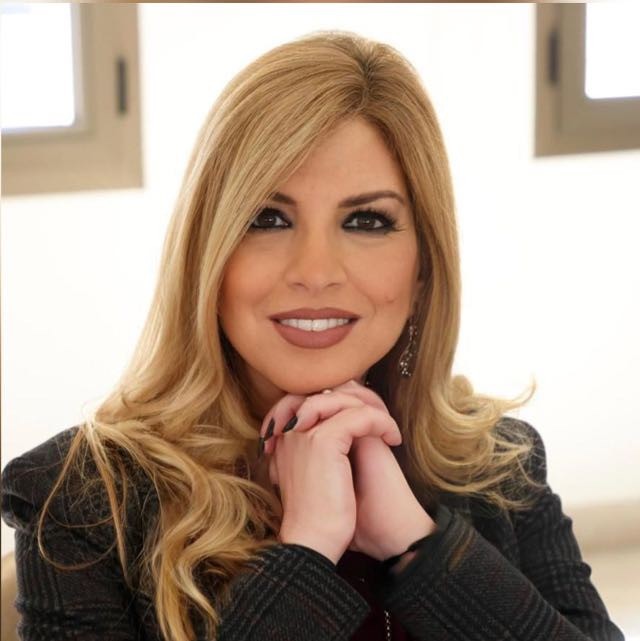
Roula Asmar Chami
Social Worker

Stay Connected:
Follow us on Instagram: https://www.instagram.com/executivewomen_/
Connect on LinkedIn: https://www.linkedin.com/company/executive-women/
Like us on Facebook: https://www.facebook.com/ExecutiveWomen/
Read more articles: https://executive-women.global/en/the-gulfs-growth-engine-how-women-in-finance-will-power-the-next-economic-wave/