
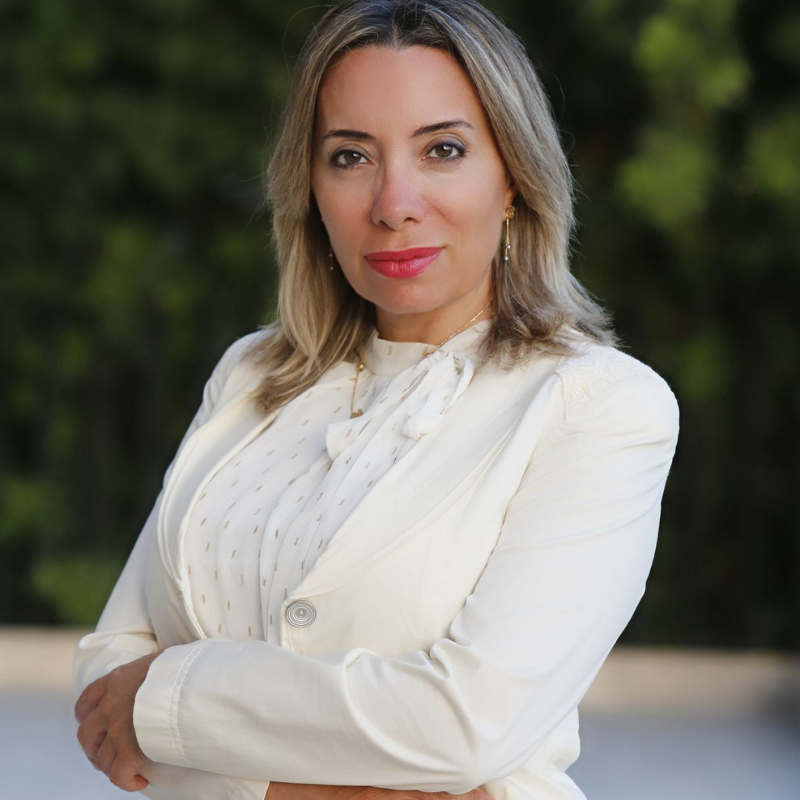
Dr. Nada Mallah Boustani
Something extraordinary is happening for women today, not slowly, not quietly, but with the force of a regional awakening. In boardrooms across Dubai, research labs in Beirut, fintech hubs in Cairo, and rural cooperatives in the Maghreb, women are stepping into leadership with new tools, new narratives, and newfound confidence. And the next five years promise to be even more transformative, driven by four powerful trends that are no longer distant aspirations but unfolding realities across the Arab world.
The first shift is the explosive rise of “femtech” as a catalyst for women’s well-being and leadership, which is redefining women’s health via accuracy and creativity. Long disregarded by generic medical solutions, women’s biological and psychological requirements are now being handled by a sector expected to be worth roughly one trillion dollars by 2027, with the Arab area playing an increasingly prominent role. Femtech is breaking down long-standing barriers to women’s performance and advancement, with fertility and hormone-health platforms in the UAE, AI-driven early breast cancer detection in Egypt, women-centered mental health apps in Lebanon and Jordan, and menopause and maternal health accelerators in Saudi Arabia. When we enable earlier intervention, predictive care, and greater bodily autonomy, these technologies reduce health-related disruptions and empower women to lead with greater continuity, confidence, and strategic control, revealing that the leadership potential has always been present, waiting for the roadblocks to be removed.
Equally transformative is the flexibility revolution reshaping how women work. The traditional 9-to-5 office model was never designed with women, especially mothers, in mind. Today, remote and hybrid work arrangements are finally offering what women have long fought for: autonomy. Across the Arab world, the shift is unmistakable. Gulf companies are adopting hybrid schedules to attract and retain female talent. Lebanon’s economic crisis has pushed many women to build online consultancies, allowing them to work with clients across continents. In Jordan, women are accessing global jobs without needing to relocate, while in Morocco and Algeria, flexible work hours are helping mothers re-enter the workforce after years of absence.
This transformation goes beyond convenience. It enables women to structure their day around multiple responsibilities, advance their education, launch side ventures, and pursue career growth without sacrificing family life. Moreover, as paternity leave expands in countries like the UAE and Qatar, household responsibilities are gradually balancing out. When caregiving is shared, women gain mobility, mental space, and time … the building blocks of career advancement. Over the next few years, remote and hybrid work will achieve what decades of debates could not: break the glass ceiling by redefining the very architecture of work.
The third breakthrough is happening at the governmental and institutional level. The Arab world is witnessing policy reforms once considered unimaginable, and they are directly shaping women’s economic and political empowerment. Saudi Arabia’s Vision 2030 has dramatically increased women’s workforce participation and opened pathways into sectors such as aviation, cybersecurity, and sports. The UAE has appointed nine women ministers, giving women leadership over critical portfolios including advanced sciences and community development. Morocco and Tunisia are advancing policies to strengthen women’s rights in education, labor, and political representation, while Egypt continues to invest heavily in women-led entrepreneurship and financial inclusion.
Despite economic and political instability, Lebanon has seen rising advocacy for gender equity in hiring, university leadership, and innovation programs. These reforms are not symbolic; they translate into tangible opportunities, board positions, scholarships, startup funding, fellowships, and leadership pipelines. At the same time, global collaboration is amplifying this progress. UN programs are training Arab women in STEM fields, GCC–EU partnerships are creating pathways for women in green technologies and pan-Arab networks are advocating for policy change. When local reforms converge with international support, women’s visibility and influence multiply. The next five years will undoubtedly accelerate this trend.
Finally, a quieter but equally revolutionary shift is unfolding: women across the Arab world are learning the language of finance. Financial literacy is becoming a cornerstone of empowerment. Saudi and Emirati women are taking active roles as investors in real estate, family businesses, and public markets. Lebanese women, even amid economic crisis, are spearheading community-based financial education initiatives, cooperatives, and micro-businesses. In Tunisia and Bahrain, women-led fintech platforms are teaching investment strategies, credit management, and savings techniques to thousands of women.
Financial literacy changes everything. It creates independence from family or employer constraints. It strengthens negotiating power. It enables women to launch and scale businesses, withstand economic volatility, and secure long-term stability for themselves and their families. And most importantly, it allows women to build generational wealth, something historically denied to many. A woman who understands cash flow, equity, and investment becomes a woman who leads decisively, manages risk intelligently, and challenges unfair structures with confidence. In the coming years, financial literacy will be one of the most decisive accelerators for women entering executive roles.
These four forces described succently in this article are not abstract possibilities. They are already reshaping what it means to be a woman leader in the Arab world. The next five years will belong to those who harness these tools, embrace their potential, and refuse to be limited by outdated structures. The region is ready for this new chapter, culturally, politically, and technologically. Women are not preparing to catch up. They are preparing to lead!
Stay Connected:
Follow us on Instagram: https://www.instagram.com/executivewomen_/
Connect on LinkedIn: https://www.linkedin.com/company/executive-women/
Like us on Facebook: https://www.facebook.com/ExecutiveWomen/
Read more articles: https://executive-women.global/en/the-secret-ingredient-in-great-marketing-its-stolen/




 English
  العربية