

Big Feelings, Small Humans
Children’s emotions are often misunderstood. What may look like an overreaction to adults is, for a child, a very real and overwhelming emotional experience. This is because children feel emotions deeply long before they learn how to manage them.
To begin with, a child’s brain is still developing, especially the areas responsible for emotional regulation, impulse control, and reasoning. While children can feel anger, fear, excitement, or sadness intensely, they do not yet have the internal tools to calm themselves down. As a result, emotions often come out loudly and visibly through crying, tantrums, or sudden mood shifts.
Because of this imbalance between feeling and regulation, emotional outbursts are rarely intentional. They are signals of overload. A child who melts down is not trying to be difficult; they are struggling to cope with emotions that feel too big for their system to handle alone.
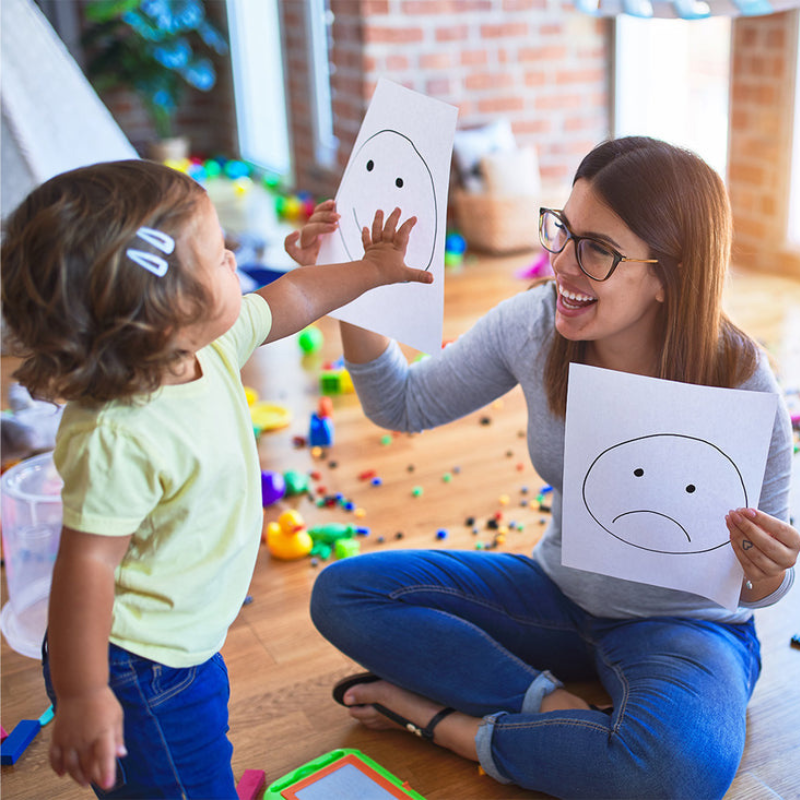
This is where adults play a crucial role. Emotional regulation is not something children learn through instruction alone, it is learned through experience and modeling. When adults respond with calmness, empathy, and consistency, children slowly internalize those responses. Over time, external regulation becomes internal self-control.
Equally important is emotional validation. When children hear phrases such as “I see you’re upset” or “That feeling makes sense”, they learn that emotions are acceptable and manageable. Validation does not mean agreeing with inappropriate behavior; rather, it separates the feeling from the action and teaches children that emotions are safe, even when limits are firm.
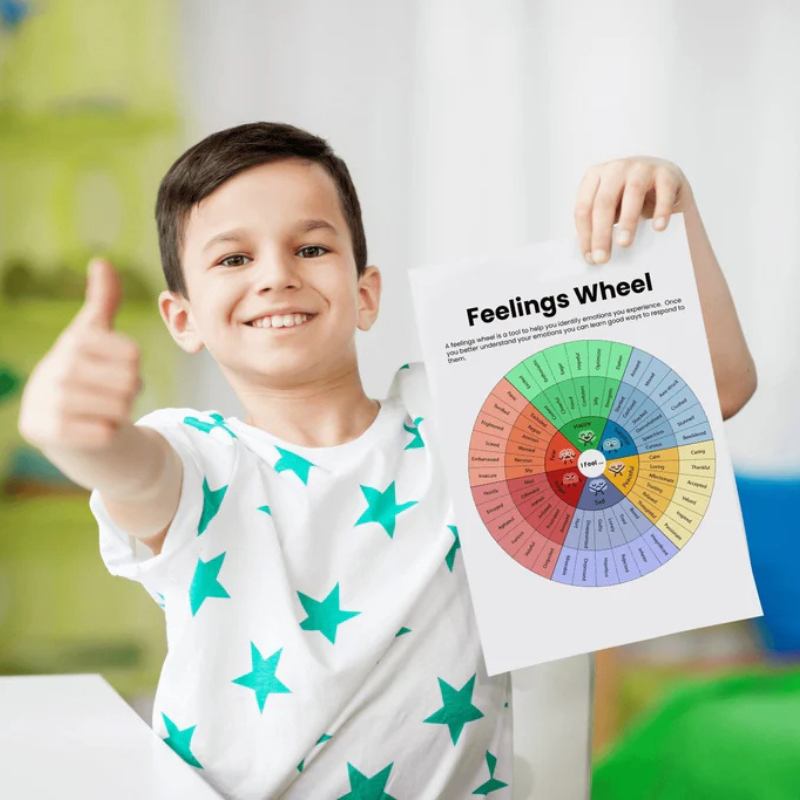
On the other hand, dismissing or punishing emotions can lead children to suppress their feelings rather than understand them. Suppressed emotions often reappear later as anxiety, aggression, or withdrawal. Emotional safety, therefore, becomes the foundation for emotional strength.
Ultimately, helping children regulate emotions is not about controlling their reactions, but about guiding them through emotional experiences until they are capable of doing so independently.
Stay Connected:
Follow us on Instagram: https://www.instagram.com/executivewomen_/
Connect on LinkedIn: https://www.linkedin.com/company/executive-women/
Like us on Facebook: https://www.facebook.com/ExecutiveWomen/
Read more articles: https://executive-women.global/en/the-secret-ingredient-in-great-marketing-its-stolen/










 English
  العربية