
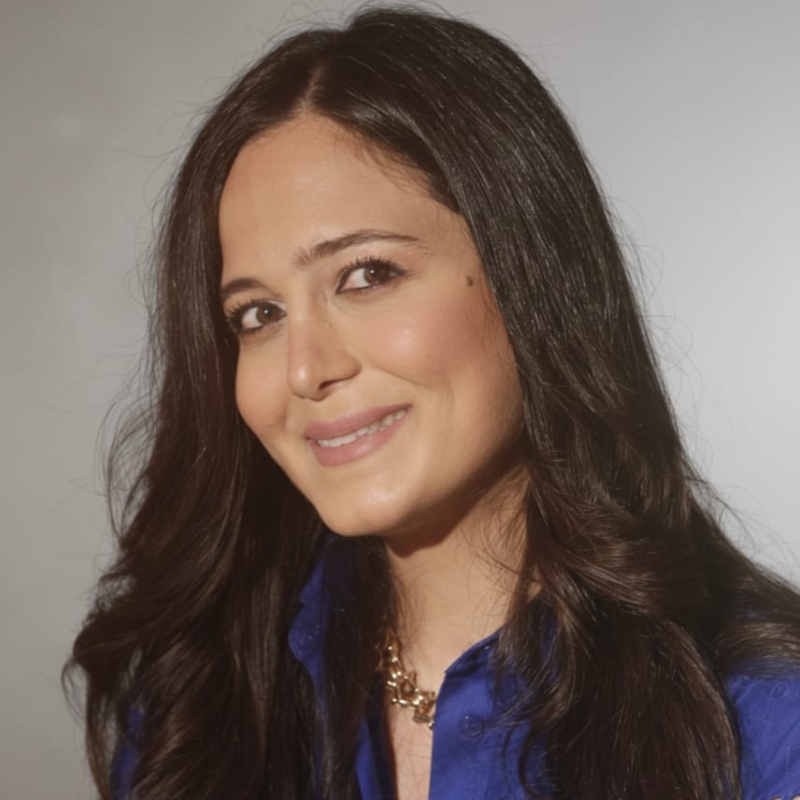
Ranine Jakobić El Homsi In the vibrant intersection where architecture meets art, where space tells a story, and exhibitions breathe life into everyday life, you’ll find Ranine El Homsi, a visionary whose work is redefining the cultural landscape of Lebanon and the wider region one step at a time. With a unique dual expertise in interior architecture and art curation, Ranine doesn’t just organize exhibitions; instead, she builds experiences, looks after communities, and champions the voices of Lebanese artists in all of Lebanon and on the world stage. Indeed, her career is a testament to the power of interdisciplinary vision, proving that the structural intelligence of architecture and the narrative depth of curation can combine to create something far greater than the sum of its parts. Ultimately, this synthesis is not merely a professional strategy; it is her signature, a way of seeing and shaping the world that turns every project into a holistic sensory and intellectual human encounter. A Dual Mastery: Building Spaces, Building Stories Ranine’s foundation is as solid as the structures she designs. Holding a Licence in Interior Architecture from ALBA (Balamand University) and a Master’s in Art Criticism & Curation from Saint Joseph University in partnership with Sorbonne Nouvelle Paris-3 (former Paris-6), a degree she was the first to earn in Lebanon. Ranine embodies a rare synthesis of the spatial language and the aesthetic stories and influences. This dual training is the secret behind her immersive, thoughtfully designed exhibitions. It allows her to approach a blank gallery not just as a container for art, but as a dynamic element of the narrative itself and its impact within a specific context. Walls become guides, lighting shapes guiding motion, and flow dictates pace. Whether it’s the interactive journey of “Allo, Beirut?” at Beit Beirut, a project that required meticulous spatial planning for its social archival and educational aims, or the cross-cultural dialogue of “BEY-DXB Collective” in Dubai, her projects are not just viewed; they are felt and lived in. This architectural sensibility was brilliantly displayed in her roles as scenographer and curator for exhibitions like “Stories from the Present Past” in Saida (with IF Saida and Al Sharqy foundation) and “Capture” in Dar el Mona Batroun, where the physical environment was meticulously crafted to enhance the thematic resonance of the artworks, creating a cohesive and powerful audience experience. More Than a Curator: A Cultural Catalyst To clarify, calling Ranine a curator only scratches the surface. In reality, she is a cultural mediator, a scenographer, a strategist, and a relentless advocate. Accordingly, her journey is marked by a series of pivotal roles that weave together the fabric of Lebanon’s art scene. For example, from enhancing visitor engagement at the Modern and Contemporary Art Museum (MACAM) to assisting in the strategic operations of the Beirut Art Fair, where she recruited teams and supervised VIP programs, and from developing innovative educational programs like the”Travelling Art Caravan” for the Saradar Foundation to managing private art collections across Beirut, Paris, and Nice, Ranine’s impact is both deep and wide. Furthermore, each role expanded her toolkit: at UMAM D&R, she handled exhibition budgets and digital archives; at Al Mohtaraf, she delved into artist promotion and product design; and as a writer and journalist from 2012-2018, she developed her voice in art criticism in Arabic, French, and English. As a result, this multi-layered background enables her to navigate the entire ecosystem of art, from the creative spark and archival precision to the logistical frameworks and public engagement, with unparalleled fluency. Subsequently, her entrepreneurial spirit led her to found ‘Inspired to Curate’ (formerly Curatrices Projects) in 2021, a platform born from a direct desire to create sustainable opportunities for local talent. Under this banner, she has produced resonant exhibitions like Hunna Art Exhibition at ABC Art Space, where she acted as curator, scenographer, and producer of the parallel cultural program, and the groundbreaking BEY-DXB as part of BoulevArt in Dubai. In essence, each project is a testament to her mission: to create platforms where art transcends boundaries and fosters connection. Additionally, her work with The Talent Lab, where she conceived and moderated an Arts & Business conference at Phoenicia Hotel with ministerial support, further highlights her commitment to building the infrastructural dialogue necessary for a thriving arts sector. After all, she understands that for art to flourish, it must be supported by robust networks, professional development, and strategic partnerships. A Network of Influence and Collaboration Ranine’s work is characterized by powerful collaborations. She partners with a constellation of leading institutions, the Lebanese Ministry of Culture, l’Institut Français, Beit Beirut, and Beirut Art Fair, to name a few. These partnerships are not merely transactional; they are symbiotic relationships built on a shared vision for cultural enrichment. Her ability to navigate between the creative and the administrative, the artistic and the commercial, makes her an invaluable bridge in the art world. This was evident in her work as a ministerial private consultant’s assistant for the Night of the Museums, where she coordinated between sponsors and museum directors, and in her foundational work with Beirut Art Critics, which helped shape critical discourse. Her collaborations are strategic, each one extending her reach and amplifying her core mission of advocacy and education. The Heart of the Matter: Passion for Lebanese Art Without a doubt, what truly sets Ranine apart is her profound, unwavering dedication to the Lebanese artistic community, especially independent artists. Given her over a decade of experience, she possesses an intimate understanding of its nuances, challenges, and immense potential. Therefore, her work is driven by a love for her country’s creative spirit and a commitment to ensuring it is seen, celebrated, and sustained. In other words, she doesn’t just curate art; she curates hope, resilience, and identity. In a landscape marked by instability, her projects, from the archival consulting for the Fédération des Congrégations Mariales to the contemporary pulse of her own exhibitions, act as vital acts of cultural preservation and bold proclamation. Overall, she operates with the deep-seated belief that Lebanese art
Breaking News

 English
  العربية