
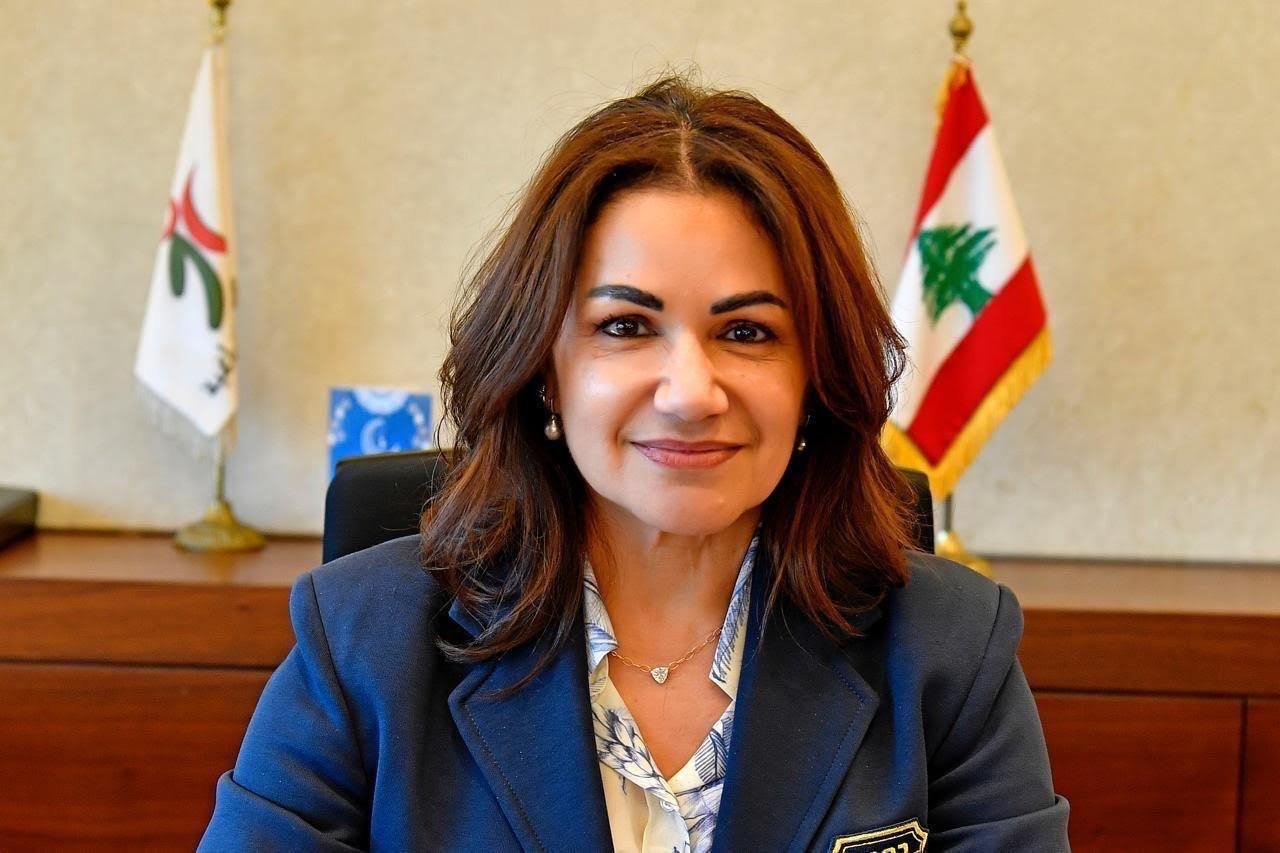
A Visionary Leader in Economic Policy and Reform H.E. Haneen Sayed, Lebanon’s Minister of Social Affairs, is a distinguished economic development expert with over 30 years of experience shaping public policy and institutional reform. Her career spans pivotal roles at the World Bank, academia, and the private sector, positioning her as a transformative force in social protection, poverty alleviation, and gender equality. Global Economic Expertise: From World Bank to Lebanon’s Ministry To begin with, before her ministerial appointment, Sayed dedicated more than three decades to the World Bank, where she led high-impact reform programs and policy dialogues across four global regions. Her work focused on social protection systems, labor markets, education, and state fragility—addressing some of the most pressing challenges in developing economies. in addition to her World Bank career, her expertise extends beyond multilateral organizations. As a Senior Fellow at the Malcolm H. Kerr Carnegie Middle East Center, she contributed cutting-edge research on governance and inclusive growth. Earlier in her career, she held roles at Morgan Stanley and the Kuwait Institute for Scientific Research, blending private-sector acumen with policymaking rigor. Academic Bridging Global and Local Economic Reforms and Thought Leadership Furthermore, Sayed is a lifelong advocate for education. She holds degrees from Stanford University and Columbia University, complemented by executive education at Harvard University. In addition, she has taught in New York, sharing her insights with future leaders and strengthening the bridge between academic knowledge and practical economic reform. A Multifaceted Advocate for Lebanon’s Future Beyond her ministerial duties, Sayed has served on the board of LIFE (Lebanese International Finance Executives), reinforcing her commitment to Lebanon’s socio-economic resilience. Her unique trajectory—from global institutions to grassroots impact—makes her a pivotal figure in Lebanon’s recovery and reform efforts. https://www.instagram.com/haneensayed_lb?igsh=MTlxcG9xeXBjYTBxaA%3D%3D&utm_source=qr https://twitter.com/haneensayed_lb?s=21 https://www.facebook.com/share/16DDXpxEcU/?mibextid=wwXIfr
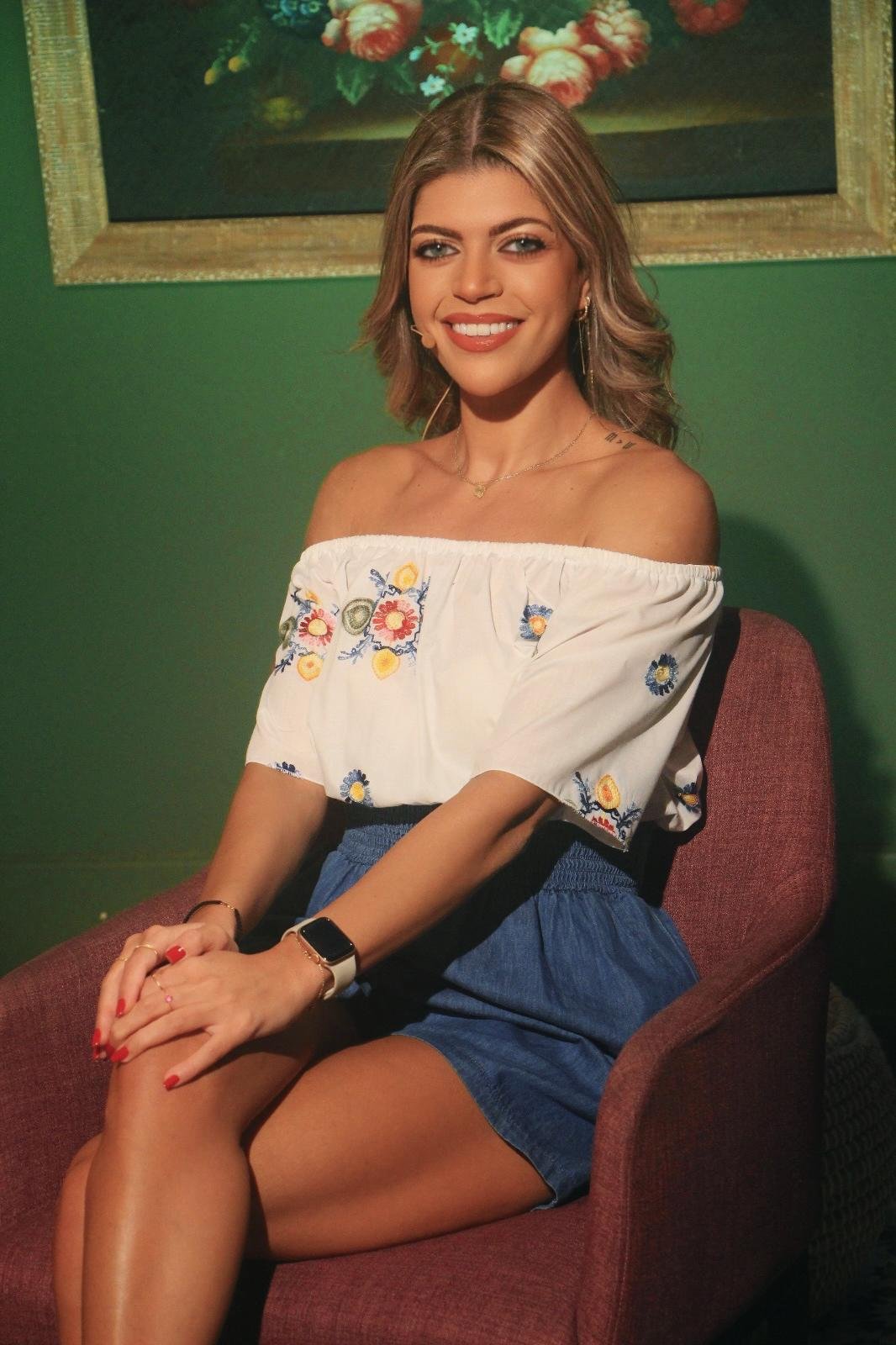
“From Personal Struggle to Purpose: Coach Joanna Jleilaty’s Journey as an Eating Disorder Specialist”
In this candid interview, psychotherapist Joanna Jleilaty shares her path from battling an eating disorder as a teenager to becoming a guiding voice for recovery—and dismantles myths along the way. What inspired you to specialize in eating disorders, and how did your journey as a coach begin? Joanna Jleilaty: What inspired me most was my own battle with eating disorders. It began at a very young age—just 13 years old—at a time when awareness of these conditions was scarce. I didn’t know what I was dealing with; I thought my behavior was normal, even though I felt a deep obsession. There was no diagnosis, no recognition that others struggled the same way. After seven years of navigating this alone, including encounters with professionals who lacked specialization, I decided to study the field myself. I wanted to understand, to recover fully, and eventually to become the guide I needed but never had. What my journey taught me is that no struggle lasts forever. Back then, I couldn’t see light at the end of the tunnel. But today, I know pain isn’t permanent. Recovery starts with a decision—even a small change—and while healing is hard, living with an eating disorder is harder. I also learned I wasn’t alone. Many recover, and that means no one has to be the exception. This is what I tell every client who doubts their ability to heal. What are some of the biggest misconceptions about eating disorders that you encounter in your practice? Joanna: There are so many. First, the idea that people with eating disorders are “mentally ill” in a catastrophic sense. I disagree. We all face mental challenges; for some, it manifests in food. Labeling it as “illness” can strip away hope. Another dangerous myth is that eating disorders are desirable—that they help maintain a certain body type. Some even trivialize them: “Just eat more” for anorexia or “Just eat less” for binge eating. These oversimplifications ignore the deep emotional and psychological roots. Eating disorders aren’t choices; they’re coping mechanisms gone awry. What are the most common challenges in recovery, and how do you help clients overcome them? Joanna: The biggest battles are in the mind. Negative thoughts, self-limiting beliefs, and overwhelming emotions make people wonder, “Will I ever live normally again?” My recovery program meets clients where they are, with tailored therapy sessions to dismantle these obstacles step by step. Healing is an investment—of time, money, and effort—but it’s worth it. I walk alongside clients until they no longer need support, showing them that freedom is possible. If you could give one message to women, what would it be? Joanna: Know your worth. You are a unique gem—the only version of yourself that will ever exist. Own your identity. Stop the self-criticism; challenges with food or otherwise can be overcome. It starts with mindset: your thoughts will either make you or break you. Final Thought: Joanna’s story is a testament to turning pain into purpose. Her work with Recoverly Ever After isn’t just clinical—it’s deeply personal, a lifeline for those still searching for their own light at the end of the tunnel.

 English
  العربية