


Stress Management There’s no doubt that stress, as a pathophysiological phenomenon, unravels health. There’s a myriad of ways in which that occurs, and it’s a direct path to carcinogenesis or tumor development, which is now very well-documented. Therefore, stress can be considered a cancer-causative agent. Furthermore, when people are under a lot of stress and lack good stress management, they often find it hard to commit to a healthy habit. That’s why I consider this the most important tip, because all of the good tips I will mention below won’t be long-lasting without having good stress management skills. Some of my favorite ways to manage stress include breathing exercises, practicing yoga, tapping techniques, spending time in nature (especially around sunrise/sunset), connecting with friends, learning new activities, keeping a journal, using herbs and essential oils (my favorite adaptogenic herb is ashwagandha and lavender as essential oil). Movement Exercise is so significant in almost all studies when it comes to risk reduction. If you look at breast cancer and colon cancer, movement reduces the risk of recurrence by about 50%. Much research talks about 30 minutes of brisk walk 5 days a week. If you’re someone that’s generally not very active, this is a good place to start. For people who are more fit or can do more, I recommend including weight training focusing on building muscle mass and some type of activity they enjoy once or twice a week that gets their heart pumping. Exercise is also a great way to help manage stress, especially if it includes spending time outdoors and maintaining strong social connections. Diet Recent expert reports estimate that successful dietary changes could prevent around 30% of cases of breast cancer. Studies on maintaining a healthy weight and lowering the risk of breast cancer suggest that overweight women have an increased risk of breast cancer after menopause compared to women at a healthy weight. Weight management plays a key role in preventing breast cancer, as well as in rehabilitation and recovery. It reduces biomarkers of inflammation, improves lifestyle behaviors and improves quality of life. Other than maintaining a healthy weight, some dietary recommendations include eating more fiber and fermented foods, fresh fruits/vegetables (especially cruciferous vegetables), foods high in vitamin C (such as peppers, kiwi, oranges, guava…), foods high in vitamin A (such as liver, carrots, sweet potato, kale, spinach, grass-fed butter, eggs…), using olive oil instead of seed oils, switching to natural sweeteners, consuming lean protein and avoiding toxins like alcohol and tobacco. Toxins Even if you consume a healthy diet, environmental toxins can wreak havoc on your health. You can lower your toxin load by avoiding plastics/BPA as much as possible. This is especially true when plastic is heated, which is why it’s best not to microwave plastic containers, store very hot food in plastic, or leave plastic water bottles anywhere where they will become very hot (such as in your car). You can also lower your toxin load by switching to natural house cleaners and skin/hair care products. Cooking at low temperatures and avoiding burning your food is also a great way to lower toxin-exposure. Sleep Sleep is my favorite way to help support all of your body’s needs, including getting rid of toxins, wastes, and oxidative stress and regenerating and repairing cells. Repeated sleep disruption may cause chronically elevated estrogen levels, which can contribute to breast cancer risk. Long stretches of work where we’re exposed to blue light for prolonged hours can disrupt your body’s “biological clock,” which controls sleep and thousands of other functions. Exposure to blue light in the evening for long periods of time reduces melatonin levels, which is not only a hormone that is responsible for sleep but also an antioxidant that plays a key role in supporting your immune system. You can optimize your sleep by eating more carbs at dinner, keeping your bedroom cool and dark, switching your electronic devices to night mode, exercising during the day, not in the evening, and taking some supplements like magnesium, ashwagandha and melatonin if needed. Vitamin D Vitamin D is not just a vitamin that helps regulate your immune system, it’s actually a hormone that helps support your hormonal balance. Ideal Votamin D levels should be around 80. The best way for you to get Vitamin D is to expose yourself to the sun around noon. You can also get it from fatty fish and eating egg yolks. Make sure that you consume enough cholesterol and fats in your diet in order to make sure that Vitamin D is properly absorbed. If you have to supplement Vitamin D, make sure you take a supplement that has balanced forms of Vitamins D, A or K. A great way is to include a cod liver oil supplement which is a source of omega-3 and contains natural sources of Vitamins A & D. Author: Berna El Khoury, Health Coach For more tips on how to optimize your health, check out Berna’s Instagram page @yourwellnessdetective here.
6 Health Tips to Reduce Your Risk of Breast Cancer Today

Corine Kiame: President of Lebanese League for Women in Business | Finance Expert and Advocate for Women’s Economic Advancement
Leadership and Advocacy for Women’s Economic Empowerment Corine currently serves as the President of the Lebanese League for Women in Business, a Lebanese NGO dedicated to women’s economic empowerment. She assumed this position in April 2023 for a three-year term. In this role, Corine is at the forefront of initiatives aimed at advancing the economic status of women in Lebanon, leveraging her extensive experience in finance and investment to drive impactful change Extensive Experience in Investment Management From April 2015 to July 2023, Corine was the Chief Investment Manager at Insure and Match Funding (IM Fndng), overseeing USD 79 million in assets under management. Her responsibilities included supervising the matching and insurance capital process, managing the analytical team, and leading USAID-funded operations. Corine’s expertise in deal fund structuring, deal and pipeline sourcing, investment project evaluation, and business model validation was pivotal in creating value and mentoring investments, as well as overseeing successful exits from investments. Strategic Leadership in Regional Finance Before joining IM, Corine spent over nine years as a Director at SHUAA Capital psc in Dubai, UAE. Her role encompassed product development, strategy, project management, and operations. During 2006 and 2007, she contributed as an assistant fund manager to regional funds representing USD 1 billion in assets under management across fifteen Arab markets. Her strategic insight and operational excellence significantly enhanced the firm’s product offerings and market reach. Academic Excellence and Continued Professional Development Corine’s academic background includes a BA in Economics from Saint Joseph University (2000) and a Master’s in Finance from Paris IX Dauphine in Paris (2002). She has also pursued executive education with a focus on Private Equity and Venture Capital at Harvard Business School (2016), and Venture Mentorship at the Massachusetts Institute of Technology (MIT) (2017). Additionally, she holds certifications from the International Finance Corporation (IFC) on Gender Diversity & Gender Lens Investment (2022 & 2023) and a Corporate Directors Certificate from the Institute of Finance and Governance ESA/IFC (July 2024). Contributions to Business and Community Corine is an active member of various professional and business organizations. She is an Advisor to the Board of USEK Business School, a founder and lead member of the Seeders Lebanese Women Angel Fund Business Angels group, and a premium member of the Lebanese International Finance Executives (LIFE) network. Her involvement extends to membership in the Association Libanaise pour les Droits et l’Information des Contribuables (ALDIC), the Lebanese Business Leaders Association (RDCL), and the Lebanese Private Sector Network (LPSN). Corine’s contributions reflect her commitment to advancing business, finance, and women’s empowerment in Lebanon and beyond. Author : Corine Kiame For more biographies like this, head to: https://executive-women.global/en/category/who-is-she/

Empowering High-Performing Women to Thrive Beyond Breast Cancer
Introduction Dr. Michele D. Clark, LMSW, is an accomplished mental health expert, coach, and advocate committed to helping high-performing, executive women rebuild their lives after breast cancer through her company, LIFT After Breast Cancer. With almost twenty-five years of experience in the mental-wellness industry and a profound understanding of trauma and resilience, Dr. Clark has crafted a unique space where breast cancer survivors are empowered to reclaim their confidence, rediscover their purpose, and build a life that aligns with their personal & professional goals after recovery. From Early Passion to Academic Excellence To begin with, Dr. Clark’s passion for helping others started early. As a child, she was known for her outgoing nature, always eager to connect, assist, and uplift those around her. One of her mother’s favorite stories is about the time young Michele made a sign for “advice and pencil-sharpening for ten cents” at her desk in first grade. Even at that young age, she was drawn to leadership, support, and service—a glimpse into the life she would build in adulthood. Furthermore, this passion for helping others led Dr. Clark to earn a Bachelor’s in Psychology and a Master of Social Work, building a strong foundation in human behavior, trauma, and healing, while equipping her with the skills to support individuals and families through life’s challenges. As a result, Dr. Clark’s dedication and commitment to empowering women earned her recognition for a PhD through experience in Entrepreneurship & Business Administration. The Journey Through Trauma and Cancer While Dr. Clark’s professional life was thriving, her personal journey was marked by challenges that tested her resilience. Similarly to many women, she faced personal traumas throughout her life that had lasting effects on her emotional well-being. These experiences shaped her understanding of the connection between mental health and physical wellness—a connection that became even more evident when she was diagnosed with Stage 2 breast cancer after having suffered two strokes just a year prior. The physical battle with cancer was grueling, but it was the emotional and mental toll that required equal attention. As she navigated the complexities of treatment, Dr. Clark realized that healing required more than medical interventions—it demanded a reimagining of her identity, relationships, and priorities. Thus, through these experiences, she found her calling: to help other high-achieving women confront the hidden emotional tolls of cancer, rebuild their confidence, and find joy in life’s milestones. Lessons in Thriving Beyond Cancer Dr. Clark’s personal journey inspired her to create a framework for other survivors, especially executive women used to juggling demanding careers, personal obligations, and now, a health crisis. These women often feel pressure to return to their former selves quickly, leaving them vulnerable to burnout, frustration, and isolation. Through her work, Dr. Clark emphasizes the importance of celebrating milestones, both big and small, as a way to reconnect with joy. In addition, one of her signature ways of doing this is by hosting celebratory brunches for breast cancer survivors and their supporters—a powerful reminder that healing is not just about surviving, but about thriving. These events offer a space to honor progress, build community, and create new memories that symbolize hope and renewal. Bridging the Mind-Body Connection Moreover, Dr. Clark’s philosophy centers around the idea that true healing requires acknowledging the mind-body connection. She helps survivors understand that stress, trauma, and unresolved emotional pain can manifest physically, often contributing to serious health challenges. Her message is clear: taking care of mental health is not a luxury—it’s essential to long-term wellness. High-performing women often struggle with slowing down or asking for help, feeling guilty for prioritizing their own needs. Dr. Clark teaches them how to redefine success, incorporate intentional self-care, and build new routines that nourish their well-being. By embracing the idea that rest and healing are productive, her clients learn to thrive in ways they never thought possible. A Lifeline for High-Performing Survivors Finally, for high-achieving women, breast cancer can feel like a betrayal of their bodies—a disruption to carefully built careers and personal lives. Dr. Clark understands these struggles firsthand, which is why she focuses on helping women feel whole again, both mentally and physically. Her coaching offers them the tools to regain control, reimagine their futures, and navigate life’s transitions with confidence. Her story serves as both inspiration and a roadmap for other women facing similar battles. Through personalized coaching, group events, and her growing network of survivors and supporters, Dr. Clark offers a lifeline to women ready to rebuild, reconnect, and thrive. Take-Home Message Dr. Michele D. Clark’s mission is to empower women to move beyond the limitations of their breast cancer journeys and embrace lives filled with purpose, joy, and resilience. With academic excellence, personal experience, and professional expertise, she provides a comprehensive approach to healing that addresses both the mind and body. Whether it’s through one-on-one coaching, rejuvenating retreats or celebratory brunches with survivors and supporters, Dr. Clark is committed to creating spaces where transformation is possible. If Dr. Michele D. Clark’s journey resonates with you, visit her website to learn more about her mission, and to sign up for her FREE newsletter and receive inspiring insights and updates straight to your inbox: www.micheledclark.com To read more about breast cancer awareness and learn how to reduce your risk, click here.

From Tradition to Investment – a Golden Legacy Shaping Women’s Financial Security and Wellbeing
From Tradition to Investment : Gold has served as a symbol of affluence, power, and spiritual significance for millennia, particularly in Eastern societies. Aside from its economic value, gold has a strong cultural and emotional resonance, especially among women in these communities. Gold’s role goes far beyond its material value, investment. intertwining with the social, spiritual, and economic fabric of life. In this article, we will look at the diverse role of gold in the lives of women by looking at the cultural and spiritual significance of gold, then we will look at its position as a source of financial stability, specifically as a store of wealth and personal savings fund. Finally, we address gold’s present relevance as an investment tool, focusing on how rising gold prices and digital financial platforms are enabling women to achieve greater financial independence. In many Eastern cultures, gold is more than just a precious metal; it represents wealth, rank, and familial honor. It is an important part of many women’s life events, including weddings, births, and religious ceremonies. In the Middle East, gold jewelry is an important part of a bride’s dowry. It is not only a symbol of the family’s wealth, but it also acts as a sort of security for the bride; when given to a bride at her wedding, it is frequently regarded as her wealth, providing her with financial independence and security for the rest of her life. Furthermore, this metal is firmly embedded in Eastern civilizations’ spiritual traditions, representing divinity, purity, knowledge, and eternal life. This shiny metal in many Eastern societies is intertwined with the divine. It is not just an ornament but a material embodiment of purity and a medium to connect with the sacred. Wearing gilt jewelry is frequently associated with women’s physical and emotional well-being. In Ayurveda, an ancient Indian medical system, gold is thought to provide health advantages, helping to balance bodily energies and promote a sense of tranquility and well-being. Gold is believed to enhance ojas, the vital energy in Ayurveda that governs immunity, longevity, and mental clarity. Gold has long been used as a store of value, seen as a stable and reliable asset. It has historically been a recommended investment in regions with high economic volatility. Unlike paper currency, which can devalue due to inflation or economic downturns, gold’s value remains stable throughout time. Gold’s ability to withstand economic turbulence makes it a significant asset for individuals, particularly women in nations with limited access to formal financial systems. Women, particularly those living in traditional households, use gold as a personal savings and security fund. It is rapidly liquidated in times of need and serves as a safety net. Gold is commonly passed down through generations, serving as a tangible form of wealth transmission. This habit not only protects family money but also strengthens family ties. For women, inheriting gold jewelry or coins represents more than just financial gain; it is also a representation of their heritage and pedigree. In recent years, with growing financial literacy among women in Eastern societies, gold has become a popular investment choice. Women are increasingly buying gold not just for adornment but as a strategic financial asset. This trend is empowering women, providing them with a sense of financial independence and control over their economic futures. As global economic conditions fluctuate, the rising prices of gold have underscored its modern relevance, reinforcing its role as a dependable store of value and a hedge against uncertainty. In the last few years, the price of gold has experienced a significant upward trajectory, driven by a combination of factors including geopolitical tensions, inflationary pressures, and shifts in global economic policies. As of 2024, gold prices have reached historic highs, reflecting its status as a safe-haven asset in times of economic volatility. This trend is particularly pertinent for women in Eastern civilizations, where gold has traditionally been a cornerstone of financial security. Gold has been and continues to be a vital asset for women in many cultures. Not only does it symbolize wealth, but it also provides a reliable means to secure their futures, particularly in uncertain economic climates. The rising prices have reaffirmed the value of gold as an investment and amplified its importance in wealth preservation. For women who rely on gold as a primary form of savings, this increase in value translates to enhanced financial security. It ensures that their wealth is not only protected but also growing, offering a stable foundation in an increasingly unpredictable global economy. One of the most important modern functions of gold is to act as an inflation hedge. As inflation rates rise globally, the purchasing power of paper currencies declines, reducing savings and investments. Gold, on the other hand, has consistently demonstrated the ability to hold its value over time, making it a crucial asset for those seeking to protect their money against inflationary pressure. In times of rising inflation, gold stands out as a steadfast preserver of wealth, offering a level of security that paper currencies often fail to provide. The rising prices of gold further enhance its appeal, as it becomes a more lucrative and reliable option for wealth protection. The modern financial landscape offers women more opportunities than ever to engage with gold as part of a diversified investment strategy. With the advent of digital financial tools, investing in gold has become more accessible. Women can now purchase gold through various platforms, including gold-backed digital currencies, exchange-traded funds (ETFs), and online gold savings accounts. These innovations allow women to invest in gold without the need to physically hold the metal, providing greater flexibility and convenience. Digital platforms have revolutionized how women invest in gold today. What was once a tradition passed down through generations is now being adapted to modern investment practices, allowing women to benefit from gold’s value in ways that align with their lifestyles and financial goals. The increasing value of gold has far-reaching implications for women’s financial independence. As the price of gold climbs,

The Importance of Security, the Privacy of Nations, and their Future
Analysis of the “Pager” Device Bombings and Recommendations for Enhancing Security In September 2024, news spread about bombings involving explosive “pager” devices in Lebanon, resulting in the deaths and injuries of thousands. Advanced technology was used by an unidentified party to implant minuscule chips that are said to be “invisible to the eye” within these devices. Additionally, it is unclear whether these devices were programmed chips to receive instructions. Media reports, such as those published by Reuters and Jerusalem Post, detailed the incident and indicated that the devices contained modified batteries housing small explosives, manipulated to appear as ordinary devices. Importance of Security Screening and Auditing Following this incident, security screening and auditing have become urgent necessities. Countries must take stringent measures to ensure the safety of electronic devices, especially those used by sensitive administrations. These measures include: 1. Verifying the Source of Devices: Ensuring the reliability of suppliers and the manufacturing history of devices. 2. Implementing Comprehensive Technical Inspections: Utilizing techniques such as X-rays and explosives detectors to examine devices before use. 3. Focusing on Security and Communication Protocols: Reducing reliance on external devices that may be questionable in safety. Importance of Local Manufacturing Local production of devices can contribute to enhancing national security by: 1. Ensuring the Quality of Devices: Verifying that products meet national security standards. 2. Reducing Dependence on Foreign Suppliers: This minimizes the risk of infiltration or smuggling of unsafe technology. 3. Increasing Local Technological Capabilities: Promoting self-sufficiency in the fields of communications and innovation. Steps for Security Screening and Auditing Enhancing security screening and auditing requires forming specialized teams composed of engineers and technicians in electronics and cybersecurity. The following are steps for screening and auditing: 1. Developing Inspection Standards: Creating detailed protocols for device examination. 2. Specialized Training: Training teams to identify threats. 3. Data Analysis: Conducting periodic analyses to identify patterns and risks. 4. Cooperation with Security Agencies: Working with security and intelligence agencies to exchange information about potential threats. Importance of the Working Team The team should consist of individuals with expertise in various fields such as cybersecurity and electronic engineering. It is essential to enhance communication among team members to ensure effective information exchange. Conclusion The steps mentioned are crucial for strengthening national security and reducing the risks of future attacks. This requires a focus on thorough device inspection, collaboration among concerned entities, and investment of time and resources in building strong local capabilities. Author: Zainab Mohamad https://www.instagram.com/executivewomen_ https://www.facebook.com/ExecutiveWomen

Mary Habchy: Journalist, Sworn Translator, Media Consultant and Social Activist
A prominent activist and social worker, Mary Habchy’s work has stood out in the field of awareness and support for human rights in general and women’s rights in particular. She is a TV host, a writer for several websites, and a certified sworn translator and expert in Lebanese courts, as well as a proofreader. Serving also as a media consultant for several organizations and an activist in public affairs supporting various associations, her work is far-ranging. She is the head of the media committee at the Jad Association. Mary is characterized by a prominent and vibrant presence and participation in the most important Lebanese and international conferences, and she is a lecturer in the field of awareness and social and humanitarian issues. She has held leadership positions, such as being the Training Director and Executive Director, at prominent global companies and academically, she has an MA in Arabic Language and Literature, a diploma and bachelor’s degree in Translation, and a bachelor’s degree in English Literature. On the training front, she has participated in the most prominent training workshops specializing in the fundamentals of empowerment and training, management, and wise leadership in England, the United Arab Emirates, Jordan, and Lebanon. Married with two children, she believes that balancing work, family, and social life is possible if we manage our time effectively and organize our priorities wisely. Her message to every woman: You are a source of strength and inspiration. In a world full of challenges, remember that you have the ability to achieve any dream you strive for. Your empowerment is the foundation of your success, whether in work or in your personal life. Invest in yourself, and trust in your abilities. Show your courage in making decisions, and be a strong voice for those around you. Don’t be afraid to ask for support, as collaboration strengthens your power. Your role is essential and pivotal, whether you are a mother, a worker, or an activist. Together, we can change perceptions and enhance our position in society. Be proud of yourself, and move forward towards a bright future. https://www.instagram.com/executivewomen_ https://www.facebook.com/ExecutiveWomen
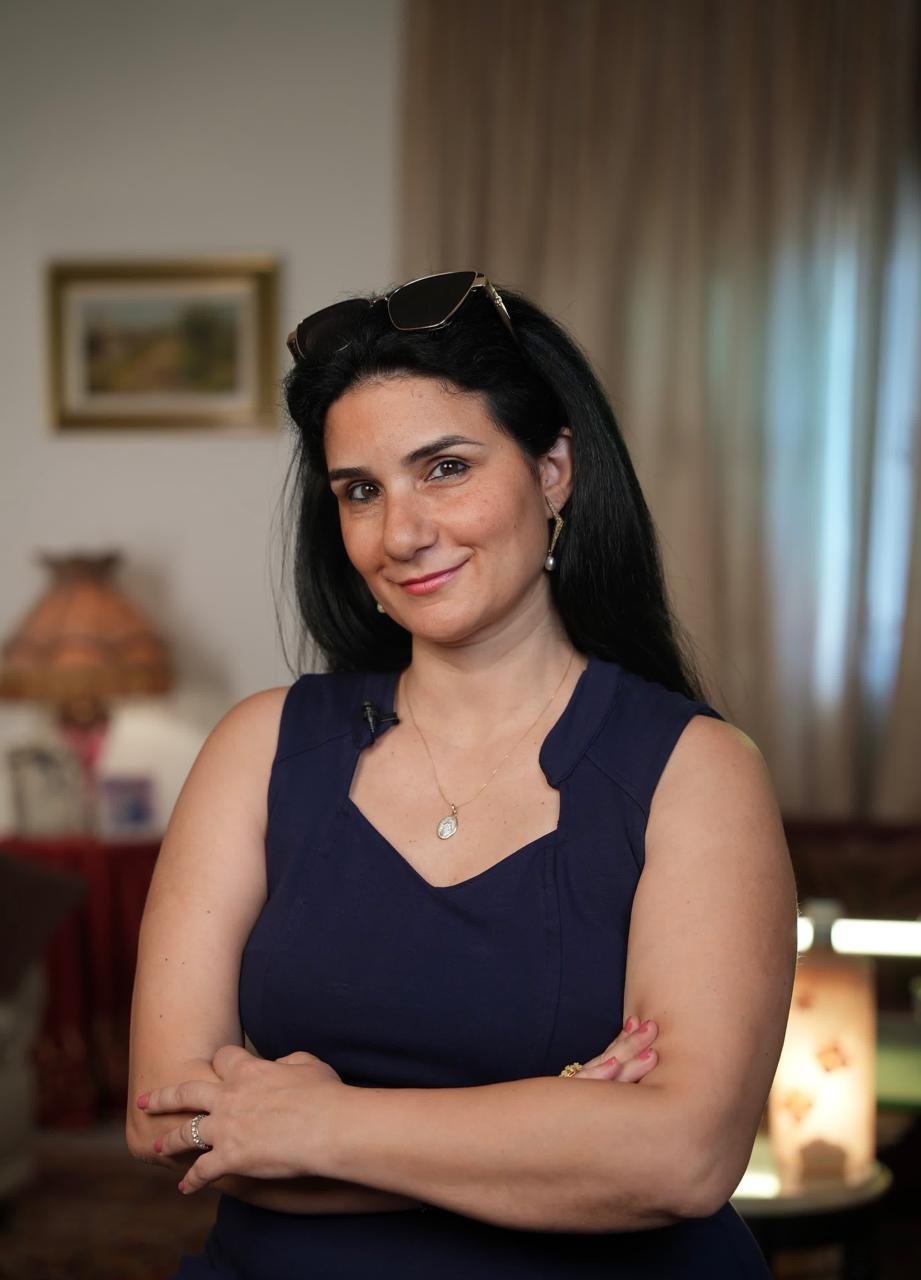
How Does Biodecoding Really Work? Q&A with Samia Khoury
We spoke with Mrs. Samia Khoury about biodecoding, and she answered these 4 questions: How does biodecoding approach the root causes of emotional conflicts in relationships? Biodecoding, at its essence, goes back to the root cause by asking the question of why the relationship is not working well. This applies to any relationship – a relationship with a father, a mother, a husband, a wife, a son, a daughter, a brother, a sister. Usually, this relationship serves as a mirror of one that happened in the past, either with you (e.g., you with a parent) or with an ancestor (e.g., your parent with a grandparent). These roots of relationship problems are uncovered during the biodecoding session, where the client has the chance to heal by expressing emotions that were never expressed, break negative associations, break insivible loyalty to suffering and empathy to family members or ancestors. After the work is done, the present relationship conflicts a person is having will begin to cease. What role does the body’s response play in biodecoding when addressing relationship issues? When working on relationship issues, each person reacts in a different way. Some feel a heaviness in their chest, some have stomach reactions, some feel tension in their back. I can the decode the root of the relationship issue based on the body part that reacted. If someone reacts in their back, for instance, I would know that there is a certain lack of support in the relationship. When it comes to the stomach, I would learn that the client had a hard time accepting something they were told about the relationship. When it comes to the chest, I learn that the person has no space in the relationship. Thus, I can know exactly which issue to address in the client’s relationship based on which part of their body reacts, which can help me get to the root cause and mirror of these relationship issues. I then ask the question, which unhealed relationship in the past was similar to this one, which affected the currently held beliefs about relationships? Once we heal that original relationship, we signal to the subconscious mind that the client has new beliefs and emotions about that past relationship so they can now have happy, safe, and loving relationships in the present, because they would no longer be repeating the patterns of the old relationship. Can biodecoding be used to improve communication and understanding between partners? Of course! I have worked with so many people who have improved their communication and understanding with their partners, whether husbands and wives, brothers and sisters, or parents and their children. By going back to the root cause and healing the past traumas in childhood, in adolescence, in the mother’s womb, and ancestral ones, all of which are being mirrored in the present relationship, then we also heal the feeling of not being worthy, which can come from many different sources. Naturally, then, communication and understanding in relationships improves right away! How can a couple benefit from biodecoding if only one partner is open to this approach? Excellent question! Well, I firstly work with the partner willing to do the effort. Then, if the other partner is open to it, I also work with them, which is the ideal scenario. Nevertheless, biodecoding still has its benefits even if only one partner is open to the approach. If we are talking about romantic relationships, if the first partner is working with me, this person will start to feel that they are loved, worthy, safe, good enough. This person will change internally, and their subconscious mind will then attract the right person for them according to their new beliefs. So, either the other partner will sense the changes and evolve with the healed partner, or the healed partner will begin to know their own value, their identity, and what they really want, and will then attract another partner who is more suited for them. If we are talking about family relationships and only one person is willing to do the work, the dynamics at home will still change, whether one person did the work or both.

Reem Daher: Passionate Entrepreneur and Micro Social Enterprise Consultant
In the beautifull hills of Akkar, located in North Lebanon, a remarkable story of empowerment takes shape. Reem Daher, a passionate Entrepreneurship and Micro Social Enterprise Consultant, has devoted her life to challenging the status quo and uplifting women in her community. Raised in a region where traditional roles often confine women, Reem chose a different path, one that embraced her passion for social entrepreneurship. Her journey is a testament to her resilience and her unwavering commitment to creating opportunities for others and inspiring women to become agents of change. Founding Brightful To begin with, in 2022, Reem founded Brightful, an organization with a mission to empower women and girls to take control of their destinies. Brightful aims to equip women with the skills and confidence they need to become active and engaged citizens. Under Reem’s guidance, Brightful quickly gained recognition, competing in the GEEL venture powered by UNICEF and Injaz Lebanon. Out of 1,800 applicants, Brightful was chosen to represent Lebanon at the Youth Global Challenge in New York, where it was recognized as one of the top 10 global winners, securing $16,000 to amplify its impact. This achievement underscores the potential of women-led initiatives and Reem’s dedication to empowerment. In addition, Brightful has made significant strides in addressing the challenges faced by women and girls in North Lebanon. One of its key initiatives is a private hotline that has supported approximately 500 girls and women by providing a safe space to report incidents of violence and harassment. This hotline serves as a lifeline, offering a platform for women to voice their concerns and seek help. Additionally, Brightful has launched educational programs targeting around 1,200 girls and women, focusing on gender-based violence and sexual and reproductive health and rights (SRHR). Thus, by helping arm women with knowledge, Reem is fostering a culture of awareness and advocacy, empowering them to stand up for their rights. Empowering Women beyond Lebanon Furthermore, Reem’s commitment to women’s empowerment extends beyond her work with Brightful. She serves as a European Union Connector (EU Jeel), advocating for marginalized youth in North Lebanon. Her achievements have also led her to participate in the prestigious Study of the United States Madeleine Albright Young Women Leaders program, where she connected with other young women leaders and shared strategies for empowerment. Additionally, Reem has received numerous global scholarships and has been invited to attend international events, such as the Global Labor Market conference in KSA, the Global Learning event in Ghana, and the Global incubation workshop in Amman. Finally, Reem firmly believes that youth and women already possess the power to change the world; they simply lack the necessary resources. She values every voice and strives to create healthier societies where everyone has equal chances, opportunities, rights, and freedom. To follow Brightful on Instagram, click here. For more empowering stories, check out our biographies.
5 Tips to Make Your Way Through National Crises
During times of national crisis, it’s easy to get lost in the bad news and forget your normal life. Soon enough, you’re behind on work, your mental health is suffering, and you feel disconnected from friends and family. But it’s important to step back and prioritize self-care, even amidst the chaos around you. Here are 5 tips for maintaining your wellbeing during crisis: 1. Limit news consumption Though it’s important to stay informed, reading too much news can wreak havoc on your mental health. According to Change Mental Health Organization, “exposure to negative events can lead to heightened stress and anxiety and can even lead to depression.” Examples of these negative news events include natural disasters, war, political developments and climate change. By limiting the time you spend exposed to these news, you limit your brain’s “stress response” and therefore keep your nervous system regulated. 2. Establish a routine During uncertain times, we are all hanging on to a thread of hope through some certainty. The best way to establish certainty is by having a consistent routine you show up to each day. An article by Northwestern Medicine says that having a daily routine helps you manage your stress more effectively, sleep better, eat healthier and get active – that is, of course, if you include work, sleep, meals, and exercise in your routine. 3. Practice self-care Self-care can look like whatever you want it to be! The key is to always engage in practices that promote your wellbeing. Even during times of national turmoil, you can still find ways to practice exercise, meditation, and hobbies. Bonus points if you get a friend to come along! 4. Engage with your community The best way to beat negative emotions is through action. Instead of worrying about the future, translate your concern into a productive way to give back. Whether through volunteer work, advocacy, or simply checking on those in need, your contributions can do wonders. Even better, they can help you gain a sense of purpose during hard times! As the German philosopher Friedrich Nietzsche once said, “he who has a why to live can bear almost any how.” 5. Stay connected The most important tip for navigating through times of crisis is staying connected to others. Don’t sit and stress alone – reach out to friends and family for some connection! As humans, we thrive on social interactions. Don’t deprive yourself of that just because you are going through a hard time. Spending quality time with loved ones, whether through a coffee date, a walk in the park, or a virtual gathering, can help you feel less alone. For more on this topic, check out our article on the profound impact of relationships. Take-home message It’s never easy to navigate through the uncertainty of national crises. But just because you can’t change your circumstances doesn’t mean there’s nothing you can do! There are always numerous ways to take care of yourself during both good times and bad, and you should never neglect your own wellbeing. After all, who will pick the other up if we all fall down? If you still need more ideas, check out our article on enhancing your mental health and well-being here.

 English
  العربية