
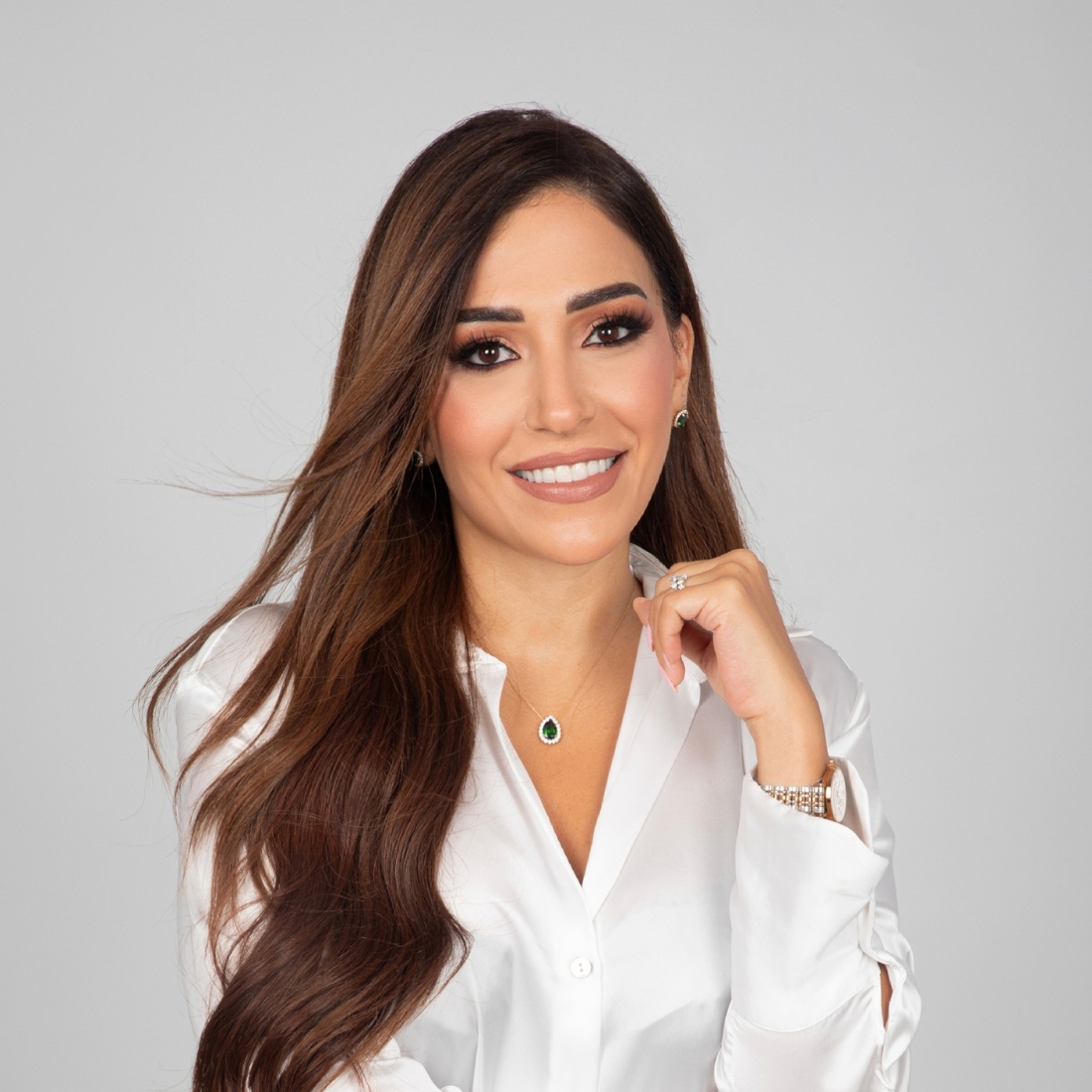
By M.E. Victoria Cherfane
We Lebanese know better than most that peace is not merely the absence of war.
Peace is ultimately about dignity; the dignity of citizens who expect institutions to function, services to deliver, and leadership to be accountable.
Peace is electricity that works.
Peace is schools that stay open.
Peace is an economy that functions, institutions that hold, and a future our children can believe in.
For too long, women’s participation in decision-making has been treated as a secondary issue, a matter of fairness alone. Equality is, of course, non-negotiable. But today, we must be clear: excluding women from leadership is not only unjust, but it is also ineffective, costly, and dangerous.
As a lawyer working on governance and institutional frameworks, I view peace not as a slogan but as a system. And systems that exclude half the population do not function. They fail to deliver stability, security, or recovery. Lebanon’s experience makes this painfully evident.
The Evidence Is Clear and It Is a Governance Benchmark
Globally, peace agreements are 35% more likely to last at least 15 years when women meaningfully shape them. When civil society, where women are often the most active actors, is included, agreements are far more likely to be implemented and far less likely to collapse.
This is not ideology. It is performance data.
More importantly, women’s political participation is no longer viewed internationally as symbolic or aspirational. It has become a governance indicator, used by donors, investors, and international partners to assess institutional credibility, political risk, and long-term stability.
For a country like Lebanon, politically paralyzed, institutionally eroded, and economically collapsed, ignoring this evidence is not a neutral choice. It is a liability. Our repeated reliance on closed-room deals and elite bargains continues to fail because these arrangements exclude the very society they claim to govern.
Why Women Change Outcomes
This is not an ideological debate.
Women’s inclusion is not symbolic; it is operational.
Women do not simply “bring a different perspective.” They change outcomes.
First, women expand negotiations beyond ceasefires and power-sharing. They insist on what makes peace real: justice, reliable electricity, healthcare, education, jobs, and property rights. These are not secondary issues. They are the foundations of daily stability and public trust.
Second, women are often the first responders to rising tensions. Across Lebanon and the wider region, women mediate disputes, prevent violence, and hold communities together long before crises reach national headlines. Ignoring this capacity is not neutral – it is reckless governance.
Third, women are critical to implementation. They track commitments, monitor compliance, and hold leaders accountable. From a legal and governance standpoint, this is what effective enforcement looks like.

Responsibility, Systems, and Change
Despite overwhelming evidence, women remain shockingly absent from decision-making. This exclusion is first and foremost a systemic failure – embedded in political structures, legal frameworks, and power arrangements.
But systems do not change on their own. They change only when those excluded confront them with organization, competence, and resolve.
Acknowledging systemic failure does not absolve responsibility; it clarifies it. Women must be prepared to step forward – not as tokens, but as leaders ready to govern, legislate, and be held accountable for results.
Changing the system requires deliberate and parallel processes:
- Internal Mobilization
Women must organize across sectarian, political, and class lines, translating grassroots credibility into unified political and institutional platforms. - Strategic Advocacy
Legal tools, international frameworks such as UNSC Resolution 1325, and sustained public pressure must be used to create enforceable mandates for inclusion – not optional invitations. - Electoral and Institutional Engagement
Real change requires contesting power: running for office, forming alliances, and disrupting exclusionary systems from within, while strengthening alternative governance models in civil society. - Generational Leadership Building
Lebanon must deliberately cultivate women leaders in law, economics, public policy, and media – creating a pipeline of expertise that exclusion can no longer ignore.
The Leadership Gap Lebanon Can No Longer Afford
We cannot claim to seek reform while systematically excluding those proven to deliver it. This is not a pipeline problem. It is a failure of political will – and, until now, an insufficiently organized challenge to that will.
If Lebanon is serious about recovery, investor confidence, and institutional credibility, one truth must be acknowledged: governance that excludes women signals instability, not strength. International partners, markets, and institutions already understand this – even when our political class refuses to.
From Words to Policy
If we are serious about peace and recovery, women’s participation must move from tokenism to policy.
That means:
- Embedding women as decision-makers, not advisors, in political and peace-building processes
- Investing in women-led civil society initiatives, which consistently deliver results despite chronic underfunding
- Strengthening legal mechanisms that ensure representation, transparency, and accountability
- Building leadership pipelines long before crises erupt
For me, this conversation is not abstract. As a lawyer working on governance, accountability, and institutional reform, I know that critique without engagement changes little. The moment demands responsibility, presence, and a willingness to be held accountable for results.
A Choice Before Us
Lebanon stands at a crossroads. We can continue repeating failed formulas – centralizing power, excluding voices, and hoping for different results. Or we can choose a smarter path: evidence-based, inclusive, and institutionally sound.
Women do not belong at decision-making tables because it is fashionable.
They belong there because exclusion has failed – and inclusion is the only path left that delivers stability, credibility, and peace that lasts.
Version Dated: January 14th, 2026
When Women Are Excluded, Peace Fails: Lebanon Pays the Price
By M.E. Victoria Cherfane
We Lebanese know better than anyone that peace is not just the absence of war.
Peace is electricity that works.
Peace is schools that stay open.
Peace is an economy that functions, institutions that hold, and a future our children can believe in.
For too long, the question of women’s participation has been treated as a sidebar, a matter of fairness alone. But equality is not negotiable. And today, we must be blunt: excluding women from decision-making isn’t just unfair, it’s ineffective, costly, and dangerous.
As a lawyer specialized in governance, I see peace not as a slogan, but as a system. And systems that exclude half the population simply do not work. They do not deliver stability, security, or the recovery we desperately need.
The Evidence is clear, and it’s About Our Survival
Globally, peace agreements are 35% more likely to last at least 15 years when women help shape them. When civil society, where women are most active, is included, agreements are far more likely to be implemented and far less likely to collapse.
This isn’t ideology. It’s performance data.
For a country like Lebanon, paralyzed politically, eroded institutionally, and collapsed economically, ignoring this evidence is a luxury we cannot afford. Our history of fragile elite bargains and closed-room deals keeps failing because they ignore the very society they claim to represent.
Why Women Change Outcomes
Women don’t just “bring a different perspective,” they bring results.
First, they expand the agenda beyond ceasefires and power-sharing. They insist on what makes peace real: justice, electricity, healthcare, schools, jobs, and property rights. These aren’t secondary issues, they are the bedrock of daily stability.
Second, women are our first responders long before conflict makes headlines. In villages and neighborhoods across Lebanon and this region, they mediate disputes, prevent violence, and hold communities together. Ignoring this isn’t neutral; it’s reckless.
Third, women ensure agreements are actually implemented. They track promises, hold leaders accountable, and turn words into reality. From a governance standpoint, this is what real compliance looks like.
<mark>The Responsibility to Lead and The Processes for Change</mark>
Yet despite the proof, women remain shockingly absent. This is a dual failure: a system that actively excludes, and a societal dynamic that can sometimes discourage women from claiming space. While the system must reform, we, as women, also bear a profound responsibility to step forward with courage and insist on our place. It is not enough to be capable in the background; we must demand our seat at the table, support one another in doing so, and prepare relentlessly to lead. This is an equal burden of responsibility.
Changing the system requires deliberate, parallel processes:
1. Internal Mobilization: Women must organize across sectarian, political, and class lines to form unified fronts and platforms, translating our on-the-ground work into formal political capital.
2. Strategic Advocacy: Using legal frameworks, international mechanisms like UNSC Resolution 1325, and persistent public pressure to create enforceable quotas and mandates for inclusion in all decision-making bodies.
3. Electoral & Institutional Action: Running for office, forming political alliances, and leveraging electoral processes to disrupt the status quo from within existing structures, while simultaneously building alternative governance models in civil society.
4. Generational Building: Systematically mentoring the next generation of women in policy, law, economics, and media, creating an unstoppable pipeline of expertise and leadership that can no longer be ignored.
The Leadership Gap We Can No Longer Afford
We cannot claim to want reform while systematically excluding those who deliver it. This isn’t a “pipeline problem.” It’s a failure of political will and, until now, an insufficiently unified and assertive movement to break the gates down.
If Lebanon truly seeks recovery, investor trust, and credible institutions, we must understand a basic truth: governance that excludes women signals instability, not strength. Donors, markets, and partners see this clearly, even if our political class does not.
From Words to Action: What Must Change
If we are serious about peace and recovery, women’s participation must move from tokenism to policy.
That means:
• Embedding women as decision-makers in all political and peace-building processes, not as advisors, but as equals.
• Investing in women-led civil society and peace initiatives, which deliver results despite receiving negligible funding.
• Strengthening legal mechanisms to ensure real representation, transparency, and accountability.
• Building pipelines by supporting women in politics, law, and economics long before crises hit.
As a lawyer, I know that systems work only when rules are enforced and accountability is real. The same is true for peace. The rule we must enforce is inclusion; the accountability we must demand is for results. This requires a reformed system and a generation of women ready to hold it to account.
A Choice before Us
Lebanon stands at a crossroads. We can repeat the same failed formulas, excluding voices, centralizing power, and hoping for different results. Or we can choose the smarter path: evidence-based, inclusive, and institutionally sound. This path is forged by both reforming the structures of power and by women courageously stepping into their power.
Women don’t belong at the table because it’s fashionable.
They belong there because without them, peace fails. And they must arrive there not only because the door is open, but because they are prepared, united, and unwavering in their demand to enter.
The question is no longer whether to include women.
The question is why, knowing what we know, we still allow their exclusion to compromise our security, economy, and future. And when will we, as a society and as women, take full responsibility for ending that exclusion?
Let’s build a peace that works for everyone.
Let’s choose leadership that includes, listens, and delivers. And let’s ensure women are ready, willing, and empowered to be that leadership.
Stay Connected:
Follow for more: https://www.instagram.com/executivewomen_
Like us: https://www.facebook.com/ExecutiveWomen
Connect & Follow: https://www.linkedin.com/in/neo-porscha-makgale-29079957/
Read more articles: https://executive-women.global/en/the-first-woman-ever-sanae-takaichi-and-the-redefinition-of-power-in-japan/









 العربية
  English