
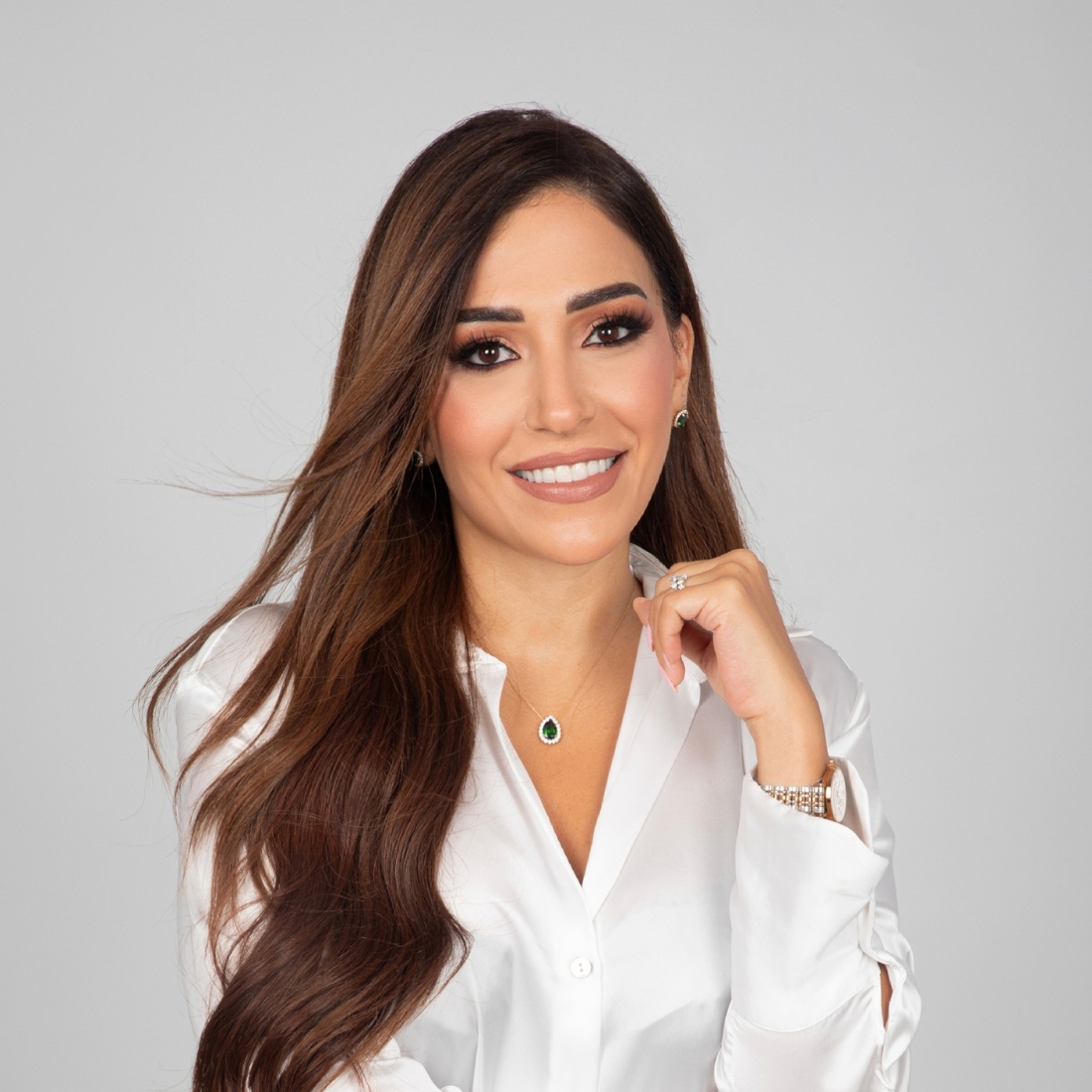
By M.E. Victoria Cherfane We Lebanese know better than most that peace is not merely the absence of war.Peace is ultimately about dignity; the dignity of citizens who expect institutions to function, services to deliver, and leadership to be accountable. Peace is electricity that works.Peace is schools that stay open.Peace is an economy that functions, institutions that hold, and a future our children can believe in. For too long, women’s participation in decision-making has been treated as a secondary issue, a matter of fairness alone. Equality is, of course, non-negotiable. But today, we must be clear: excluding women from leadership is not only unjust, but it is also ineffective, costly, and dangerous. As a lawyer working on governance and institutional frameworks, I view peace not as a slogan but as a system. And systems that exclude half the population do not function. They fail to deliver stability, security, or recovery. Lebanon’s experience makes this painfully evident. The Evidence Is Clear and It Is a Governance Benchmark Globally, peace agreements are 35% more likely to last at least 15 years when women meaningfully shape them. When civil society, where women are often the most active actors, is included, agreements are far more likely to be implemented and far less likely to collapse. This is not ideology. It is performance data. More importantly, women’s political participation is no longer viewed internationally as symbolic or aspirational. It has become a governance indicator, used by donors, investors, and international partners to assess institutional credibility, political risk, and long-term stability. For a country like Lebanon, politically paralyzed, institutionally eroded, and economically collapsed, ignoring this evidence is not a neutral choice. It is a liability. Our repeated reliance on closed-room deals and elite bargains continues to fail because these arrangements exclude the very society they claim to govern. Why Women Change Outcomes This is not an ideological debate.Women’s inclusion is not symbolic; it is operational. Women do not simply “bring a different perspective.” They change outcomes. First, women expand negotiations beyond ceasefires and power-sharing. They insist on what makes peace real: justice, reliable electricity, healthcare, education, jobs, and property rights. These are not secondary issues. They are the foundations of daily stability and public trust. Second, women are often the first responders to rising tensions. Across Lebanon and the wider region, women mediate disputes, prevent violence, and hold communities together long before crises reach national headlines. Ignoring this capacity is not neutral – it is reckless governance. Third, women are critical to implementation. They track commitments, monitor compliance, and hold leaders accountable. From a legal and governance standpoint, this is what effective enforcement looks like. Responsibility, Systems, and Change Despite overwhelming evidence, women remain shockingly absent from decision-making. This exclusion is first and foremost a systemic failure – embedded in political structures, legal frameworks, and power arrangements. But systems do not change on their own. They change only when those excluded confront them with organization, competence, and resolve. Acknowledging systemic failure does not absolve responsibility; it clarifies it. Women must be prepared to step forward – not as tokens, but as leaders ready to govern, legislate, and be held accountable for results. Changing the system requires deliberate and parallel processes: The Leadership Gap Lebanon Can No Longer Afford We cannot claim to seek reform while systematically excluding those proven to deliver it. This is not a pipeline problem. It is a failure of political will – and, until now, an insufficiently organized challenge to that will. If Lebanon is serious about recovery, investor confidence, and institutional credibility, one truth must be acknowledged: governance that excludes women signals instability, not strength. International partners, markets, and institutions already understand this – even when our political class refuses to. From Words to Policy If we are serious about peace and recovery, women’s participation must move from tokenism to policy. That means: For me, this conversation is not abstract. As a lawyer working on governance, accountability, and institutional reform, I know that critique without engagement changes little. The moment demands responsibility, presence, and a willingness to be held accountable for results. A Choice Before Us Lebanon stands at a crossroads. We can continue repeating failed formulas – centralizing power, excluding voices, and hoping for different results. Or we can choose a smarter path: evidence-based, inclusive, and institutionally sound. Women do not belong at decision-making tables because it is fashionable.They belong there because exclusion has failed – and inclusion is the only path left that delivers stability, credibility, and peace that lasts. Version Dated: January 14th, 2026 When Women Are Excluded, Peace Fails: Lebanon Pays the PriceBy M.E. Victoria Cherfane We Lebanese know better than anyone that peace is not just the absence of war.Peace is electricity that works.Peace is schools that stay open.Peace is an economy that functions, institutions that hold, and a future our children can believe in. For too long, the question of women’s participation has been treated as a sidebar, a matter of fairness alone. But equality is not negotiable. And today, we must be blunt: excluding women from decision-making isn’t just unfair, it’s ineffective, costly, and dangerous.As a lawyer specialized in governance, I see peace not as a slogan, but as a system. And systems that exclude half the population simply do not work. They do not deliver stability, security, or the recovery we desperately need. The Evidence is clear, and it’s About Our Survival Globally, peace agreements are 35% more likely to last at least 15 years when women help shape them. When civil society, where women are most active, is included, agreements are far more likely to be implemented and far less likely to collapse.This isn’t ideology. It’s performance data.For a country like Lebanon, paralyzed politically, eroded institutionally, and collapsed economically, ignoring this evidence is a luxury we cannot afford. Our history of fragile elite bargains and closed-room deals keeps failing because they ignore the very society they claim to represent. Why Women Change Outcomes Women don’t just “bring a different perspective,” they

The $2.7 Trillion Opportunity: Why MENA’s Future Depends on Women in Finance By Pamela Sakha
Beyond Borders: Unlocking MENA’s $2.7 Trillion Growth by Empowering Women in Finance Across the vibrant and diverse nations of the Middle East and North Africa (MENA), an economic revolution is waiting in the wings. At its heart lies a powerful catalyst: the full economic participation of Arab women, particularly in the strategic field of finance. Ultimately, integrating women into the financial fabric of the region is a decisive key to unlocking sustainable and inclusive growth by 2030. The Staggering Potential: A Regional Picture To illustrate the scale of this opportunity, let’s examine the data. As previously highlighted, research from McKinsey Global Institute projects that advancing women’s equality could add $2.7 trillion to MENA’s GDP by 2030. However, the female labor force participation rate in MENA remains one of the world’s lowest at around 20%, with even lower representation in high-level finance roles. This gap represents a critical growth deficit. Furthermore, a World Bank report emphasizes that increasing women’s access to financial services and careers boosts entrepreneurship, household savings, and overall economic resilience, a crucial factor for the region’s stability. Navigating Challenges, Seizing OpportunitiesWhile the path forward has hurdles, including cultural norms, access to capital, and sometimes legal frameworks, the momentum is shifting. On one hand, successful models from the Gulf provide inspiration. On the other hand, grassroots movements and policy reforms are gaining traction from Morocco to Jordan. For example, the rise of women-focused angel investor networks and microfinance institutions in countries like Egypt and Lebanon is creating new avenues for wealth creation and management. Additionally, the remote work revolution has opened doors to global finance careers without geographical constraints. Building Your Financial Career Across MENATherefore, the question becomes: how can you build a thriving career in MENA finance? Here is your strategic roadmap: In summary, integrating Arab women into MENA’s finance sector is the most significant untapped economic strategy of the coming decade. By taking proactive steps to build skills, networks, and personal brand, you are not just securing your own future. You are directly contributing to unlocking the $2.7 trillion potential that will lift communities and reshape the entire MENA region. The power to fuel this growth is in your hands. Stay Connected: Follow us on Instagram: https://www.instagram.com/executivewomen_/ Connect on LinkedIn: https://www.linkedin.com/company/executive-women/ Like us on Facebook: https://www.facebook.com/ExecutiveWomen/ Read more articles: https://executive-women.global/en/the-gulfs-growth-engine-how-women-in-finance-will-power-the-next-economic-wave/

 العربية
  English