


Real estate continues to stand out as one of the most attractive and resilient sectors in the Arab world. Across cities like Dubai, Riyadh, and Cairo, property ownership remains not only a financial aspiration but also a cultural and social one, deeply tied to ideas of stability, security, and legacy. For decades, families across the region have viewed real estate as a safe haven: a tangible asset that generates income, preserves wealth, and, in many cases, appreciates in value over time. Today, this traditional investment space is undergoing a quiet transformation, driven increasingly by women. In recent years, women across the Arab world have stepped confidently into real estate markets as investors, entrepreneurs, and decision-makers. This shift reflects broader social and economic reforms sweeping through the region, where new policies are promoting gender inclusion and empowering women to own, manage, and transfer property more freely. Women as Drivers of Market Growth The rise of women investors is reshaping how the real estate market functions. In the UAE, for example, women accounted for 34% of all real estate investors in 2024, contributing more than AED 118 billion (around USD 32 billion) across nearly 51,000 transactions. Similar patterns are emerging in Saudi Arabia, where Vision 2030 reforms have opened up new economic opportunities and eased property ownership restrictions. For many women, real estate serves as an accessible and empowering entry point into investment. Property ownership provides not only financial security but also independence and decision-making power within households. It allows women to participate more actively in national economies, transitioning from consumers to capital holders and entrepreneurs. A survey in the UAE revealed that 79% of women view real estate as a key long-term investment. Yet, despite this optimism, 62.5% reported facing barriers such as limited access to financing, mentorship, and investment platforms which highlight a critical gap between enthusiasm and opportunity, one that, if bridged, could unleash tremendous potential for inclusive growth across the Arab region. The Allure and the Risks Real estate’s enduring appeal lies in its tangibility and perceived stability. Unlike volatile financial assets, property feels concrete and enduring. This sense of security is reinforced by government-led diversification initiatives that position real estate as a cornerstone of national development. However, the very qualities that make real estate attractive can also invite risks. Rapid price increases that outpace income growth may signal speculative bubbles. The region has experienced such cycles before, where periods of euphoria gave way to oversupply and price corrections. Political instability, regulatory changes, and liquidity constraints can further amplify these vulnerabilities. For women investors in particular, financing remains a structural challenge. In some markets, banks impose stricter lending conditions or require male guarantors, limiting access to credit. Without inclusive financial frameworks, women may find themselves constrained despite their willingness and capacity to invest. A Gendered Perspective on Stability Interestingly, the growing participation of women in real estate could act as a stabilizing force. Studies consistently suggest that women investors tend to adopt a more cautious, long-term approach, focusing on sustainability, community development, and family well-being rather than short-term speculation. This mindset aligns naturally with the evolving priorities of many Arab cities, which are shifting toward sustainable urban planning, green architecture, and affordable housing. Women investors help create a more robust and responsible market culture by supporting initiatives that strike a balance between economic growth and social impact. Their participation inspires developers and legislators to consider initiatives that improve livability, inclusivity, and environmental stewardship rather than just opulent towers. Building a More Inclusive Future The path forward for real estate in the Arab world lies in embracing transparency, innovation, and inclusion. Governments can play a pivotal role by simplifying property regulations, diversifying financing options, and creating mentorship and networking platforms tailored to women entrepreneurs. Financial institutions, in turn, can promote gender-sensitive lending policies and investment products designed to support first-time female investors. Real estate should not remain an exclusive symbol of wealth; it should become a lever for sustainable development and social empowerment. When women participate fully in this sector, they not only drive economic activity but also bring balance, foresight, and long-term value to markets that have often been driven by short-term gains. As the Arab world continues to urbanize and diversify its economies, empowering women in real estate is more than a matter of equity; it is a strategic imperative. Their growing influence promises not just to reshape skylines but to redefine what sustainable and inclusive growth looks like in the decades to come. Stay Connected: Follow for more: https://www.instagram.com/executivewomen_ Like us: https://www.facebook.com/ExecutiveWomen Read more articles: https://executive-women.global/en/mother-of-a-nation-queen-sirikits-century-of-grace-and-legacy-in-thailand/
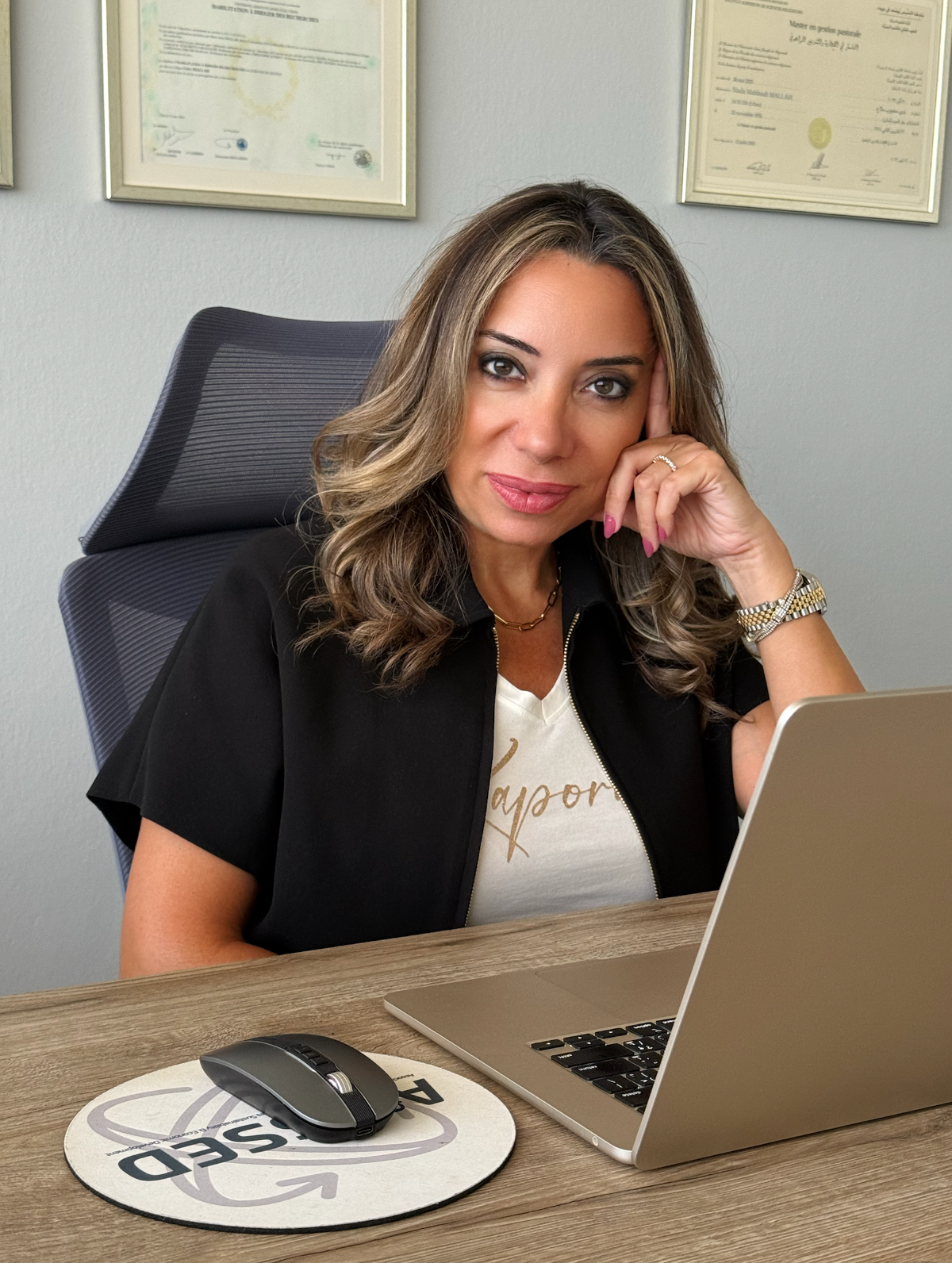
Women, Property, and Opportunity: Real Estate Dynamics in the Arab World – Prof. Dr. Nada Mallah Boustani
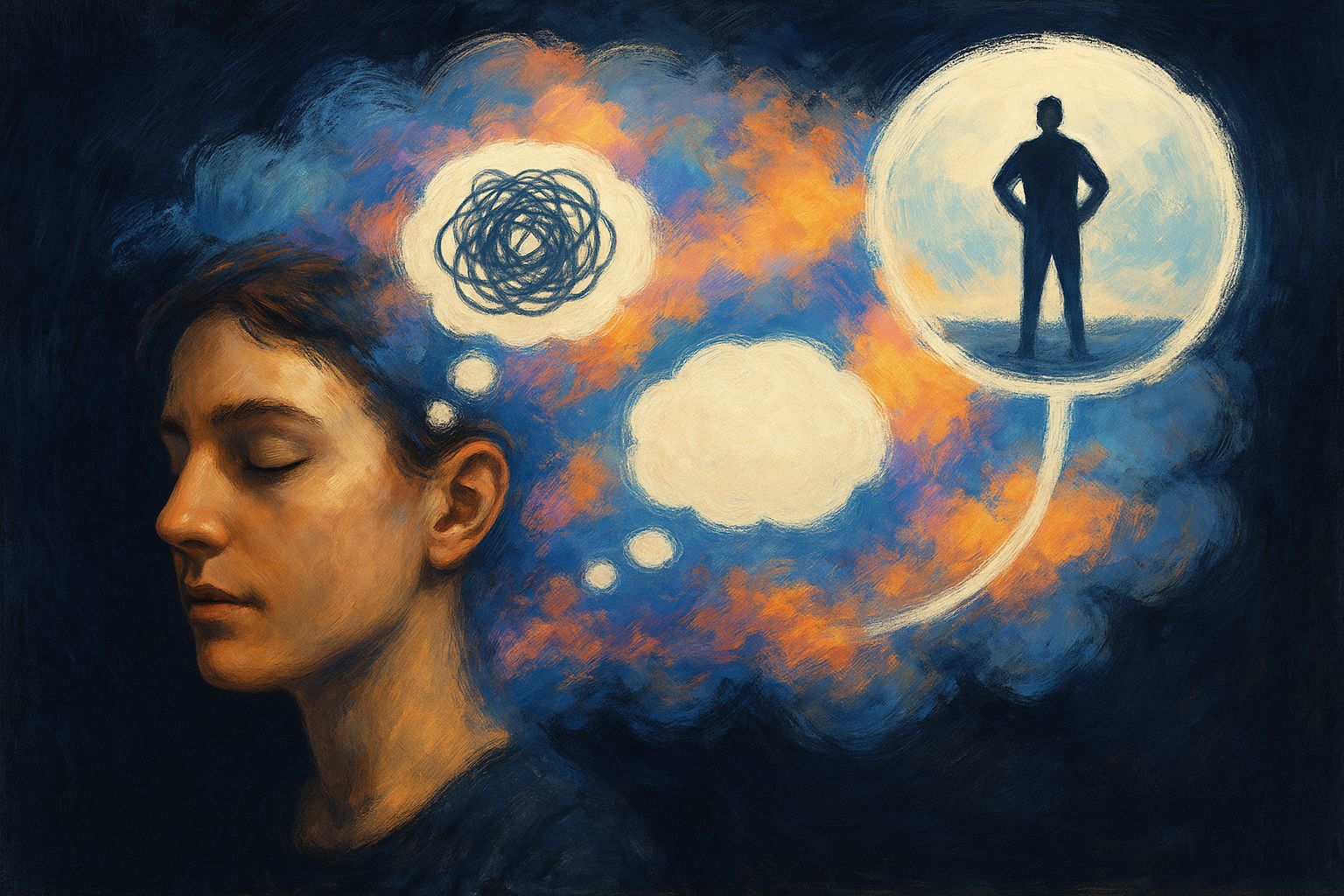
Change Your Words, Change Your World – By Margueritta Rahal
Have you ever stopped to wonder how we first began describing the invisible world within us? After years of exploring the mind and the nature of consciousness, one thing is clear: we overlook the very tools that shape our reality. Amid all the noise and chaos, it’s easy to forget that the most powerful tool you’ll ever have isn’t outside of you. It is the mind. The silent narrator, the quiet builder of our entire life. You and only you have the power to direct your mind through thought, silently and invisibly, before anyone else ever hears a word. No one else can hear your thoughts but you. No one sees what you see within. And once a thought is formed, it takes shape in the world through language. The most fascinating human invention, yet the most misunderstood. We didn’t discover language like buried treasure. We created it, a fusion of thought , sound and emotion to describe feelings we couldn’t hold. Imagine a time before language existed, when humans had no words, only awareness. How did they connect? Is it possible that they communicated through presence, emotion, maybe even telepathy? And if that was once natural, Who is to say it still isn’t? Ironically, language, the greatest tool designed to unite us often becomes the source of our deepest misunderstandings. We created words to express ourselves, yet most arguments begin with “you’re not listening.” Friends fall apart over miscommunicated texts. Couples who’ve been together for years still misread each other’s silences, needs, or tone. Parents and children speak the same language yet feel like strangers. Even in therapy, people struggle to explain what they feel because language can only describe so much, never fully capture the depth of inner experience. It’s strange, isn’t it? That with all the words we’ve created, we still rarely feel truly heard. And the root of this miscommunication? Maybe it begins before we speak, with the lies we tell ourselves. We say “I’m fine” when we’re hurting and smile while we’re breaking. We smile in front of our friends but talk to ourselves in a way we wouldn’t an enemy. When we lie to ourselves, it becomes easier, even natural, to lie to others. We start saying what sounds good instead of what’s true. Conversations turn into performances. We judge instead of listen, defend instead of understand. A partner shares a need, and we hear it as criticism. A friend opens up, and we respond with advice instead of presence. It’s as if we care more about being right than being understood and in doing so, we build walls where bridges should be. But before there was language, there were thoughts, raw, wordless impulses of awareness. Language came later, as an attempt to translate those inner movements into sounds we could share. But if thoughts existed before words, it means something even more powerful: Thought is the origin of everything we express. What if the way you talk to yourself is the reason nothing has changed? Now ask yourself, can you create a thought, right now, intentionally? If yes, then who is the voice narrating your life when you’re not paying attention? That inner voice? It’s not you. You think you are choosing, but you are repeating. You want love, but the voices fear vulnerability. You crave peace, but the voice keeps looking old pain. You dream big, but the voice whispers, “Not you”. The negative voice talking to you is not you. It a program: a collage of beliefs, fears, rules, and limitations planted in your mind since childhood. It’s been running quietly shaping your reality without permission. And unless you become aware of it, it will keep running your life on autopilot. That’s why so often, your wants aren’t met, your needs aren’t spoken, your dreams stay imagined. Not because they aren’t possible, but because the voice inside isn’t working for you, it’s repeating the past. But here’s the shift: You can change the voice. You can reprogram your mind. It starts with one brave act: the decision to think differently. You can choose your thoughts consciously, deliberately, and powerfully. You can question old beliefs, rewrite your internal script, and speak to yourself in a way that creates peace, not pressure. And when you do, you don’t just change your mindset, you change your life. Because in the end, how your life feels is far more important than how it looks. Changing the way we’ve been programmed to think is perhaps the most profound and the most courageous act of growth a human being can undertake. Our thoughts often feel inseparable from who we believe we are. Yet, transformation begins the moment we realize; We are not our thoughts; we are the observer that chooses them. And with that awareness comes power. It starts with a decision. Not a grand, dramatic one, but a quiet steady choice to forgive the past, release old burdens we’ve carried for too long, and to fully arrive to the present. Forgiveness, love, joy, they don’t exist in the past or future. They only exist now. In this breath. In this exact moment. In the now, true forgiveness can truly take root, dreams can awaken, and love for yourself and others can blossom without hesitation. Awaken your senses to the miracles all around The miracle of breath. The miracle of emotion. The miracle of thought itself. You can’t live peacefully with violent self-talk. You can’t love others fully when you can’t love yourself quietly. You can’t communicate clearly when your mind is tangled in noise. But when you become your own best friend, when you soften your tone, when you stop believing every thought, when you speak to yourself like someone worth loving, everything change. The problem is rarely in other people or the world itself, but in the stories we tell ourselves about it. That internal conflict dissolves when we become our own kindest friend, speaking gentle, uplifting words to our own mind. After all

 العربية
  English